Hindu funeral rituals/traditions

Hindu funeral rituals & Hindu funeral traditions
In a Hindu funeral according to Hindu funeral rituals typically takes place within one day and sometimes two days after the time of death. Hindu funeral rites take the form of chanting the Hindu funeral mantras as a Hindu funeral prayer, which are specially written to be chanted at Hindu funerals according to Hindu funeral rituals.
In Hindu funeral The officiant is a Hindu priest, who also presides over all the Hindu funeral rites, leading the family and other mourners in the various Hindu funeral rituals.
At the Hindu funeral cremation, however, it’s typically the eldest son who presides, with the Hindu funeral priest overseeing the activities, though different Hindu groups may follow different Hindu funeral rites. Here in the United Kingdom, According to hindu funeral and Hindu funeral rituals cremation must be performed by licensed crematories. Most make allowances for the cremation ceremony to take place, however, so that Hindu funeral rituals may be performed on-site.
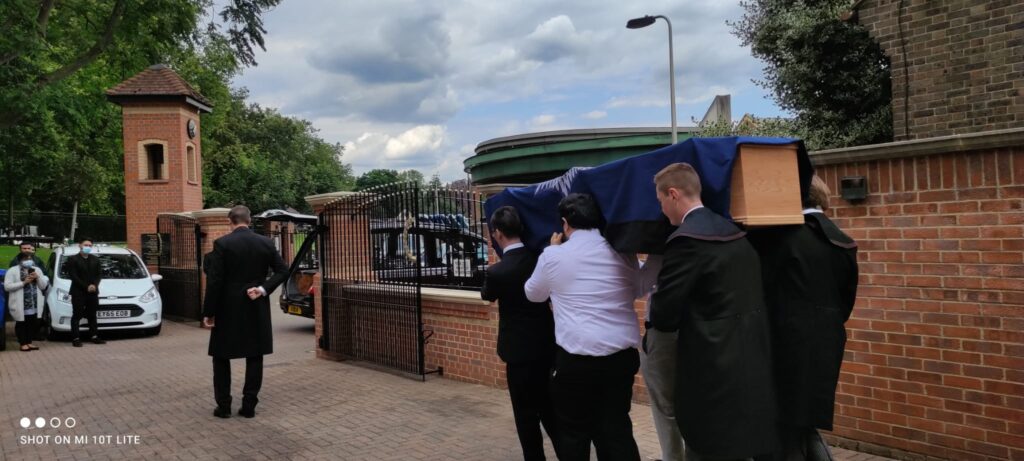
Hindu Funeral rituals/vidhi/traditions
A variety of Hindu funeral and Indian funeral rituals honor the deceased and support the reincarnation process. The family gathers to practice various Hindu funeral rituals, Like:
• Washing the body: The washing of the body includes special ingredients, such as milk, honey, ghee, and yogurt.
• Essential Oils: The person’s head may be anointed with essential oils: sandalwood for men and turmeric for women.
• Dressing: Traditional Indian Hindu funeral rituals include a simple white sheet to dress the person who has died. More modern practices allow for contemporary, stylish clothing.
• Flowers and Rice: Hindu Funeral rituals attendees may place a garland of flowers and rice balls (known as pinda) around their loved ones. Leaves, such as basil, may also be used to adorn the body.
• Lamp: Some traditional practices involve placing a lamp near the head of the person who has died.
Water: Sprinkling water on the body is a symbol of cleansing.
All of the instructions are given by Hindu funeral uk Indian priests in Hindu funeral rituals.
As with other religions, Hindu funeral rituals and traditions vary to match the needs and preferences of each individual religious sect and each family.
Here will give you all questions and answers about Hindu funeral rituals in Hindu funeral !!
Why do Hindu Funerals Take Place So Quickly After Death?
According to the Hindu funeral and all Hindu scriptures like Bhagavad Gita, and Garudpuran, Hindus believe that the body can prevent the soul from moving on to the next journey. Thus, the decedent’s family will hold the Hindu funeral as quickly as possible. After the Hindu funeral uk, they can have the body cremated in order to liberate the soul.
How long after death is a Hindu funeral?
According to Hindu funeral rituals, the body should remain at the home until cremation – this is usually within 24 hours of the death. Due to the short time frame of Hindu cremation, embalming is considered unnecessary. It is customary for family and friends to visit the home of the bereaved to offer their sympathy.
How Long Is the Mourning Period for Hindus in Hindu funeral?
In Hindu funeral, according to Hindu funeral rituals, After the cremation, the decedent’s family will begin Hindu funeral rites 13 days mourning period. During this time, family and friends can visit to offer condolences. Often, the mourning period includes an additional ceremony after the deceased has passed away. The purpose of the ceremony is to support the spirits of the deceased as they move on to their next journey.

What happens after the Hindu funeral?
Traditionally, In the Hindu funeral rituals on the day following a Hindu funeral Uk, the ashes are scattered in the Ganges rivers considered sacred by the Hindus. Hindus living outside India may choose to repatriate their loved one’s ashes so that they can be spread over the Ganges, but this is not always practical or affordable. Alternatively, many Indians are now choosing to scatter ashes at a local water body or at a preferred place of importance.
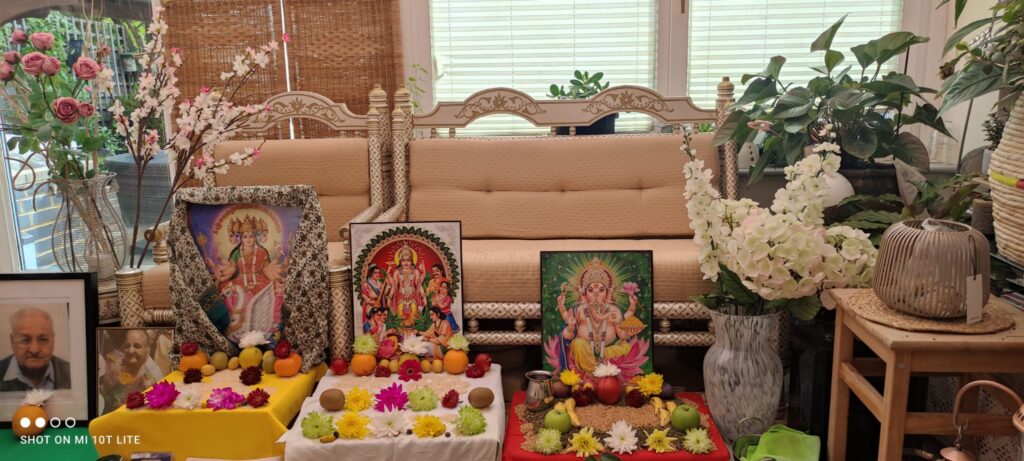
Typically, the bereaved mourn for Hindu funeral rites 13 days after a Hindu funeral. During this time, it is customary for families to have a picture of their loved one displayed in the house, adorned with a garland of flowers. Visitors are welcomed during this period and a Hindu funeral ritual that helps the soul reincarnate is performed.
On the first anniversary of the death, the family celebrates a memorial event that honors their loved one’s life.
How are Hindus buried In Hindu funerals?
Traditionally, In Hindu funeral rituals the cremation ceremony involves a ritual burning of the body, attended to by a Hindu priest/Hindu funeral priest and male family members. Sometimes guests attend the ceremony, too. The ‘last food’ is offered and the cremation takes place with flowers arranged around the body.
What do people do at a Hindu funeral?
In Hindu funerals according to Hindu funeral rituals, If they are Hindu, they participate in the chanting of Hindu funeral mantras as Hindu funeral prayers. If not, they may sit quietly during the chanting. Otherwise, one views the body upon entering the home, perhaps offering some quiet and brief words of condolence to the family.
What is preta-karma?
The preta-karma is important Hindu funeral rituals that take place during the period of mourning. It serves to help the deceased person’s soul move from spirit form to its new body in the cycle of reincarnation.
What to wear to a Hindu funeral?
wear to a Hindu funeral differs greatly from most other major religions. Mourners should wear simple, white clothing to the viewing and service.
What do you say to a Hindu when someone dies?
In the Hindu funeral rituals, when someone dies, instead of Rest In Peace, it is customary to say “Om Shanti” or “Aatma ko Sadgati prapt ho” (May your soul attain Moksha). In Indian culture, Sandgate means liberation and salvation.
Which Hindu funeral mantras are powerful for moksha?
when he prayed for moksha they recited ‘Sivaya Namaha,’ indicating that this is the Hindu funeral mantra for moksha. For worldly objectives, therefore, ‘Namah Sivaya’ is recited, but for moksha, ‘Sivaya Namaha’ is recited.
How do you say rest in peace in Sanskrit at a Hindu funeral?
सर्वँ शान्ति:, शान्तिरेव शान्ति:, सा मा शान्तिरेधि ॥ ॐ शान्ति: शान्ति: शान्ति: ॥
Which God can give moksha according to the Hindu funeral?
The Krishna is the Supreme One, the only One capable of granting moksha in some states they believe that lord shiva grants moksha according to Hindu funeral.
Where does the soul go after death in Hinduism?
“Good and contented souls” are instructed, “to depart to the mercy of God.” They leave the body, “flowing as easily as a drop from a waterskin”; are wrapped by angels in a perfumed shroud, and are taken to the “seventh heaven,” where the record is kept. These souls, too, are then returned to their bodies.
What does Gita say about moksha for a Hindu funeral?
The Bhagavad Gita recognizes liberation (moksha) as the supreme goal. The Bhagavad Gita describes liberation or moksha as the attainment of an individual’s natural state by relinquishing its imposed state. Liberation is the supreme and highest status beyond good and evil.
What are the Hindu funeral rites 13 days of mourning in a Hindu funeral?
On the Hindu funeral rites’ 13 days of mourning, it’s common for the grieving family to hold a ceremony (‘preta-karma’) where they perform rituals to help release the soul of the deceased for reincarnation. Additionally, on the first anniversary of the death, the family hosts a memorial event that honors the life of their loved one.
How many days after death is a Hindu funeral?
During the Hindu funeral rite 13 days period of mourning following the death, the presence of friends and family helps create positive karma to help prepare the soul for its next incarnation.
Pind Sammelan or Terahvin – Hindu funeral rite 13 days after death
Pind Sammelan, also called spindi or terahvin in North India, is a Hindu funeral ritual performed in Hinduism on the Hindu funeral rite 13 days after the death of somebody. This Hindu funeral rituals is performed to place the departed soul with the ancestors and God. It is believed that before the Hindu funeral rituals the departed soul is a preta and after performing this rituals, the soul will become “pitru” and will be included in the ancestors.
Hindu Funeral Traditions and Their Spiritual Significance
Hindu traditions surrounding the final farewell reflect respect for life, family values and spiritual beliefs. Understanding these customs helps relatives make thoughtful decisions while preserving their family’s heritage. Planning a hindu funeral involves balancing religious expectations with practical arrangements, particularly for families living in Britain.
The Meaning Behind Traditional Customs
In Hindu philosophy, the soul is considered eternal, while the physical body is temporary. This belief influences the prayers, offerings and ceremonies performed after death. Hindu funeral rituals are intended to honour the departed and support the family’s spiritual observances.
Depending on community customs, a hindu funeral may include sacred verses, flowers, offerings of water and rice, and prayers led by a knowledgeable priest. These practices provide relatives with a meaningful way to express gratitude and say goodbye.
Regional Differences in Hindu Traditions
Gujarati, Punjabi, Marathi, Tamil and other Hindu communities may follow different ceremonial practices. The choice of prayers, offerings and subsequent observances can depend on family traditions and religious guidance.
For a hindu funeral uk ceremony, families should discuss their customs with the priest before confirming arrangements. This helps ensure that important traditions are respected while accommodating crematorium procedures and available timings.
The appropriate hindu funeral rituals may also continue after cremation through family prayers, remembrance ceremonies and customary rites. The priest can explain which observances are relevant to the family’s particular tradition.
Arranging a Ceremony in Britain
Organising a farewell involves coordinating with funeral directors, crematorium staff and relatives. Families planning a hindu funeral should clarify the ceremony schedule, religious requirements and available facilities beforehand.
Another important consideration is the hindu funeral cost uk, which can differ according to location, crematorium charges, funeral director services, priest fees and additional arrangements. Requesting an itemised quotation makes it easier to compare options and establish a realistic budget.
When considering a hindu funeral uk service, families should also ask whether the priest can assist with ceremonies after cremation. Discussing these details early can reduce uncertainty during an emotionally difficult period.
Preserving Traditions for Future Generations
Religious ceremonies help younger family members understand their cultural heritage and the values associated with remembrance. Explaining the meaning of the hindu funeral rituals can encourage meaningful participation and preserve family customs.
For families arranging a hindu funeral, personal guidance from an experienced priest can help make unfamiliar procedures easier to understand. The hindu funeral cost uk should be discussed openly so that families can choose appropriate services without unnecessary financial pressure.
Every hindu funeral uk arrangement deserves sensitivity, respect and careful preparation. With suitable guidance, families can honour their loved one, maintain important traditions and create a peaceful, dignified farewell.