Ekadashi Dates 2027 UK: Complete Vrat Calendar, Parana Timings, Vrat Katha, Mantras and Puja Vidhi
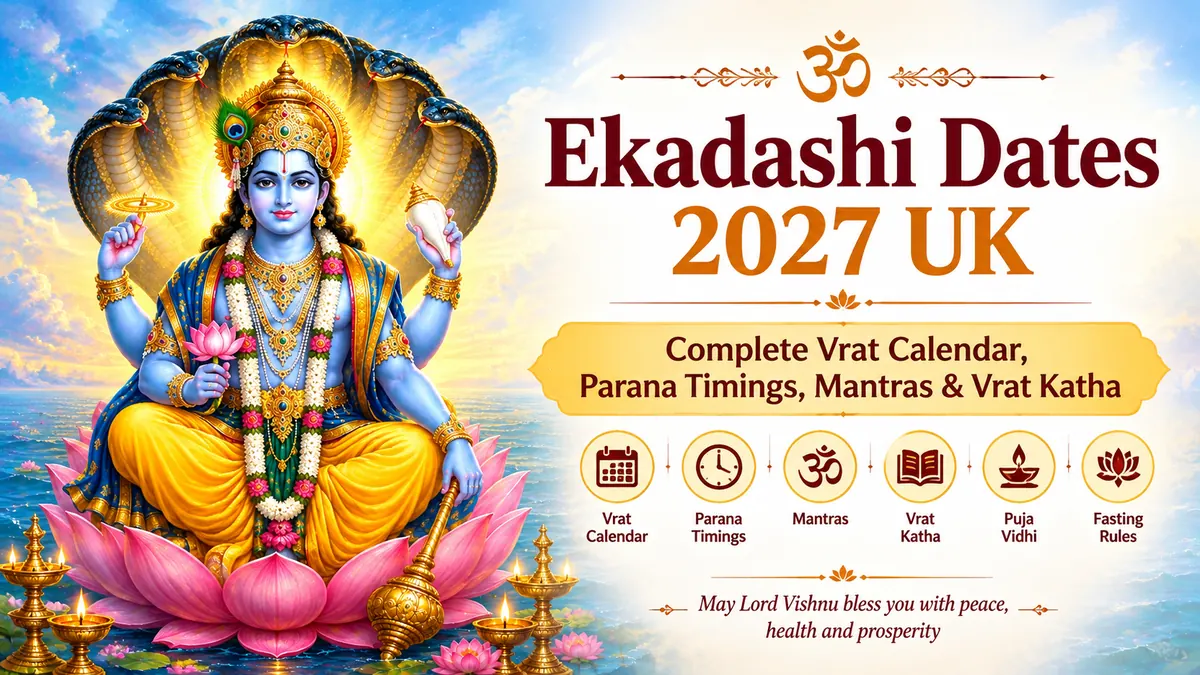
Ekadashi is one of the most important recurring observances in the Hindu calendar. Dedicated to Lord Vishnu, this sacred day is observed by devotees through fasting, prayer, mantra chanting, charity and reading the Ekadashi vrat katha.
For Hindu families living in Britain, finding accurate Ekadashi dates in the UK is important when planning fasting, puja and other religious observances. This guide covers the 2027 Ekadashi calendar, London and New Delhi Parana timings, the significance of each Ekadashi, traditional vrat-katha summaries, devotional mantras, fasting rules and the importance of avoiding rice.
Whether you observe every Ekadashi or only selected vrat days, this guide can help you prepare throughout 2027.
Table of Contents
- Ekadashi dates 2027 UK and India
- What is Ekadashi?
- Why is Ekadashi fasting important?
- Vrat katha and mantra for every Ekadashi
- Ekadashi puja vidhi
- Ekadashi fasting rules
- Lord Vishnu Mantras for Ekadashi Vrat
- Why is rice prohibited on Ekadashi?
- What should you avoid during Ekadashi?
- Benefits of observing Ekadashi
- Frequently asked questions
Ekadashi Dates 2027 UK and India: Complete Calendar
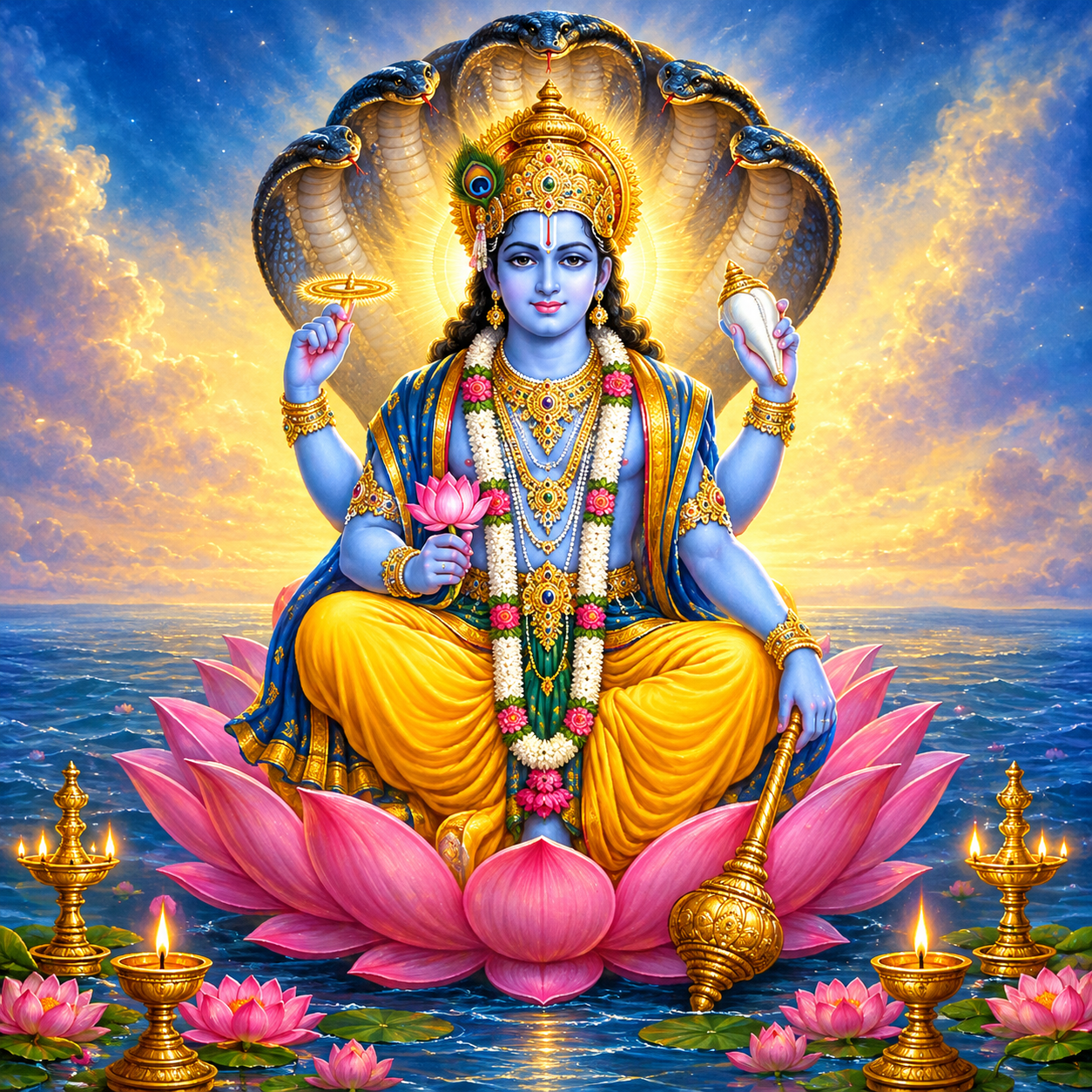
The following calendar distinguishes London observances from New Delhi observances. Parana is the ritual breaking of the fast, generally on Dwadashi, the lunar day after Ekadashi.
Important: These are reference timings, not a substitute for your family’s Panchang. The Smarta and Vaishnava traditions can observe different fasting dates. Confirm the applicable date and Parana window for your city and tradition before observing the vrat.
| Ekadashi | London fasting date | London Parana | New Delhi fasting date | New Delhi Parana |
|---|---|---|---|---|
| Saphala | 3 Jan | 4 Jan, 8:06–9:42 AM | 3 Jan | 4 Jan, 7:15–9:19 AM |
| Pausha Putrada | 18 Jan | 19 Jan, 7:56–9:38 AM | 18 Jan | 19 Jan, 1:35–3:42 PM |
| Shattila | 1 Feb | 2 Feb, 1:10–3:00 PM | 2 Feb | 3 Feb, 7:08–9:19 AM |
| Jaya | 17 Feb | 18 Feb, 7:09–8:58 AM | 17 Feb | 18 Feb, 6:57–9:13 AM |
| Vijaya | 3 Mar | 4 Mar, 8:32–8:53 AM | 4 Mar | 5 Mar, 6:43–9:03 AM |
| Amalaki | 18 Mar | 19 Mar, 6:06–8:31 AM | 18 Mar | 19 Mar, 7:12–8:52 AM |
| Papmochani | 2 Apr | 3 Apr, 6:32–9:09 AM | 2 Apr | 3 Apr, 1:40–4:10 PM |
| Kamada | 16 Apr | 17 Apr, 2:24–5:12 PM | 17 Apr | 18 Apr, 5:53–7:41 AM |
| Varuthini | 2 May | 3 May, 5:29–8:29 AM | 2 May | 3 May, 5:39–8:19 AM |
| Mohini | 16 May | 17 May, 5:06–8:14 AM | 16 May | 17 May, 5:30–8:13 AM |
| Apara | 31 May | 1 Jun, 2:36–5:52 PM | 1 Jun | 2 Jun, 5:24–8:10 AM |
| Nirjala | 14 Jun | 15 Jun, 4:43–8:02 AM | 14 Jun | 15 Jun, 1:45–4:33 PM |
| Yogini | 30 Jun | 1 Jul, 4:48–8:07 AM | 30 Jun | 1 Jul, 5:27–8:14 AM |
| Devshayani | 14 Jul | 15 Jul, 5:01–8:15 AM | 14 Jul | 15 Jul, 5:33–8:19 AM |
| Kamika | 29 Jul | 30 Jul, 6:00–8:27 AM | 29 Jul | 30 Jul, 1:49–4:31 PM |
| Shravana Putrada | 12 Aug | 13 Aug, 5:42–8:39 AM | 12 Aug | 13 Aug, 1:45–4:24 PM |
| Aja | 27 Aug | 28 Aug, 2:24–5:10 PM | 28 Aug | 29 Aug, 5:58–8:31 AM |
| Parivartini | 11 Sep | 12 Sep, 6:30–9:05 AM | 11 Sep | 12 Sep, 6:04–8:34 AM |
| Indira | 26 Sep | 27 Sep, 6:54–9:17 AM | 26 Sep | 27 Sep, 6:12–8:36 AM |
| Papankusha | 11 Oct | 12 Oct, 7:19–9:30 AM | 11 Oct | 12 Oct, 6:20–8:39 AM |
| Rama | 25 Oct | 26 Oct, 7:43–9:43 AM | 25 Oct | 26 Oct, 1:12–3:27 PM |
| Devutthana | 9 Nov | 10 Nov, 12:39–2:29 PM | 10 Nov | 11 Nov, 6:40–8:50 AM |
| Utpanna | 23 Nov | 24 Nov, 12:38–2:19 PM | 24 Nov | 25 Nov, 6:51–8:58 AM |
| Mokshada | 9 Dec | 10 Dec, 7:55–9:30 AM | 9 Dec | 10 Dec, 1:16–3:20 PM |
| Saphala | 23 Dec | 24 Dec, 8:05–9:39 AM | 23 Dec | 24 Dec, 7:11–9:15 AM |
All times are local to the named city. UK times use GMT or BST as applicable; India times use IST. These timings are preliminary reference values and should be checked against the chosen Panchang before publication. In particular, verify dates on which Smarta and Vaishnava observances differ.
What Is Ekadashi?
Ekadashi is the eleventh lunar tithi of each fortnight. It occurs twice during most lunar months: once during Shukla Paksha, the waxing phase of the Moon, and once during Krishna Paksha, the waning phase.
In Hindu tradition, Ekadashi is dedicated to Lord Vishnu, the preserver of the universe. Devotees use the day to develop self-discipline, focus on spiritual life, chant sacred names and perform acts of charity.
The word vrat refers to a religious observance or vow. Ekadashi vrat may include abstaining from grains, following a fruit-based diet, observing a more restrictive fast or spending additional time in prayer. Customs vary by family, region and sampradaya.
Why Is It Important to Observe Ekadashi Fast?
Ekadashi is considered spiritually significant because it encourages devotees to pause from routine distractions and focus on devotion to Lord Vishnu.
Many devotees believe that sincere observance helps cultivate humility, patience, gratitude and detachment from excessive material desires. Reading the vrat katha also reminds worshippers of the importance of faith, righteous conduct and spiritual perseverance.
The purpose of the fast is not simply to avoid food. It is to combine self-restraint with prayer, compassion, truthfulness and remembrance of God.
Ekadashi Vrat Katha and Mantra for Every Ekadashi in 2027
The following are concise summaries of traditional stories associated with the main Ekadashis. These are summaries, not complete verbatim versions of the vrat kathas. Details may differ between Puranic accounts and regional traditions.
A commonly used mantra for all Ekadashis is:
ॐ नमो भगवते वासुदेवाय॥
Om Namo Bhagavate Vasudevaya.
Meaning: Salutations to Lord Vasudeva, a name of Lord Vishnu.
You can chant this mantra on any Ekadashi while meditating on Lord Vishnu. The short devotional invocation provided for each observance below is a simple optional prayer, not a claim that every Ekadashi has a separate universally prescribed mantra.
1. Saphala Ekadashi — 3 January
Vrat katha: The traditional story tells of Prince Lumpaka, who lived a troubled life and was separated from his kingdom. Through an unintentional observance of Saphala Ekadashi, worship and the grace of Lord Vishnu, he is said to have received spiritual blessings and regained a righteous life.
Devotional invocation: Om Saphala Ekadashyai Namah.
Spiritual focus: Renewal, devotion and the hope of auspicious outcomes.
2. Pausha Putrada Ekadashi — 18 January
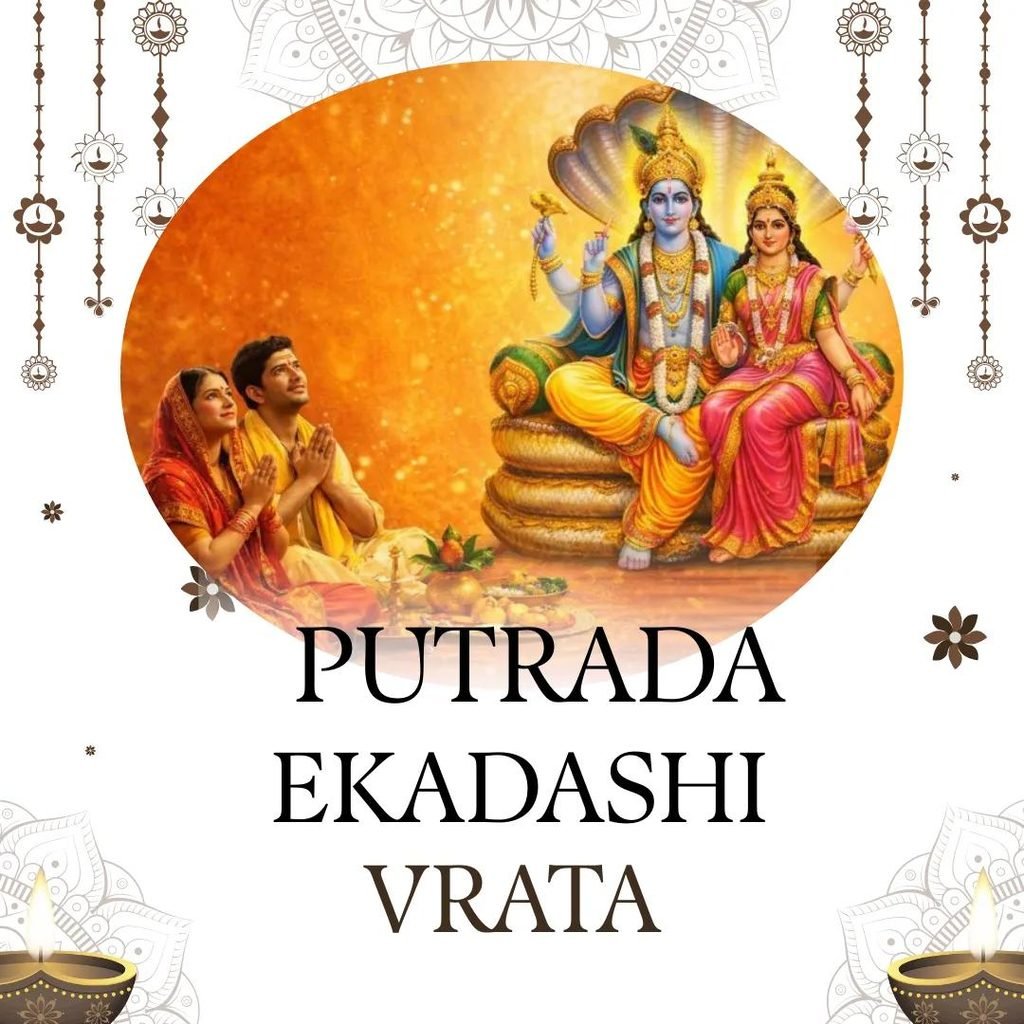
Vrat katha: A traditional account describes a righteous king and queen who were distressed because they had no child. After observing Putrada Ekadashi with devotion, they received Lord Vishnu’s blessings. The vrat is associated with family well-being and the blessing of children.
Devotional invocation: Om Putrada Ekadashyai Namah.
Spiritual focus: Family blessings, responsibility and gratitude.
3. Shattila Ekadashi — 1 February in London
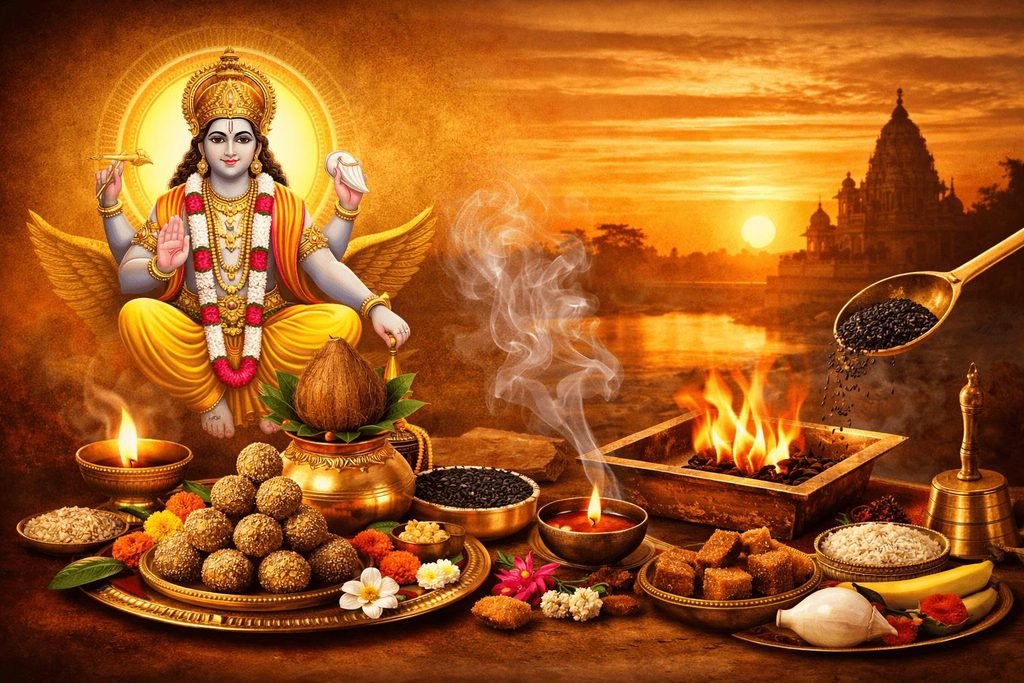
Vrat katha: The story teaches the importance of generosity. A devout woman had great spiritual merit but had neglected charity. Through the guidance of Lord Vishnu, she learned that sincere devotion should be accompanied by giving and helping others. Sesame seeds are especially associated with this observance.
Devotional invocation: Om Shattila Ekadashyai Namah.
Spiritual focus: Charity, humility and generosity.
4. Jaya Ekadashi — 17 February
Vrat katha: This Ekadashi is associated with a celestial couple who were cursed to take a lower form after a lapse in discipline. Their observance of Jaya Ekadashi and the resulting spiritual merit helped free them from their condition.
Devotional invocation: Om Jaya Ekadashyai Namah.
Spiritual focus: Spiritual freedom, discipline and transformation.
5. Vijaya Ekadashi — 3 March in London
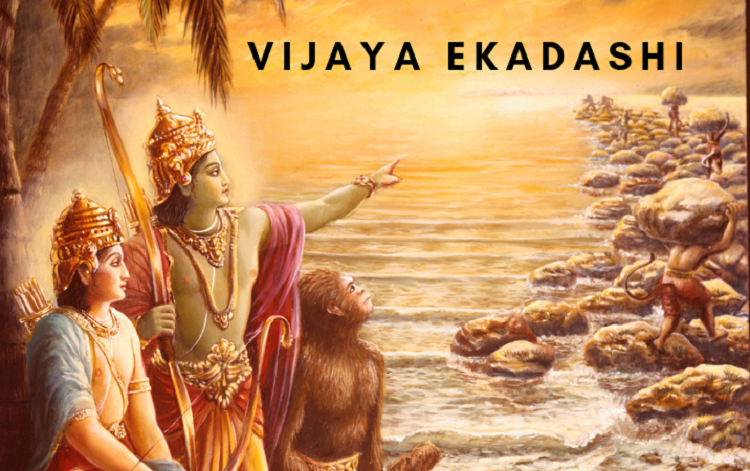
Vrat katha: The observance is linked with Lord Rama before his journey to Lanka. In the traditional account, sage advice leads to the observance of Vijaya Ekadashi, which is associated with courage, perseverance and overcoming obstacles.
Devotional invocation: Om Vijaya Ekadashyai Namah.
Spiritual focus: Courage, determination and righteous success.
6. Amalaki Ekadashi — 18 March
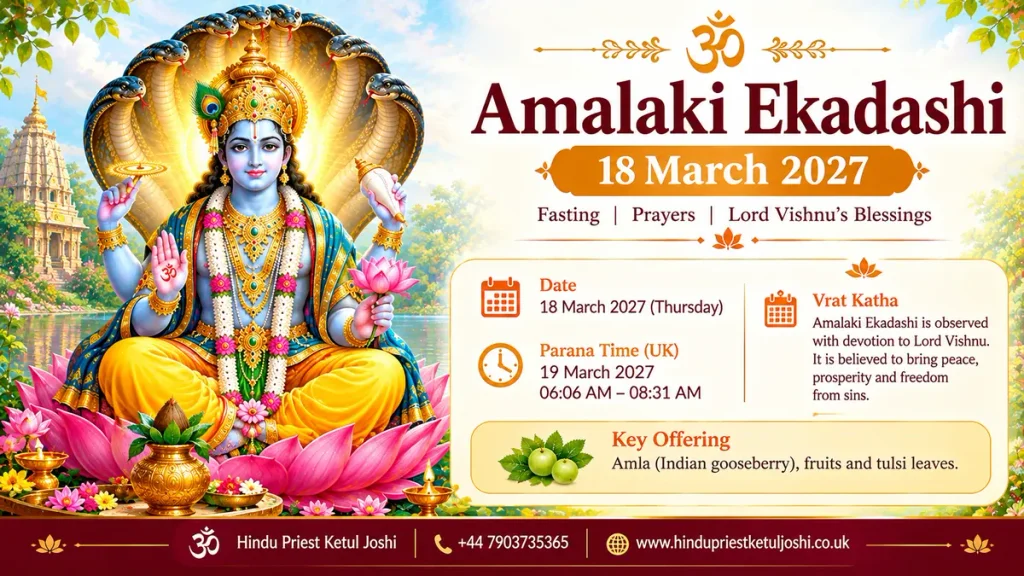
Vrat katha: Traditional accounts describe devotees worshipping Lord Vishnu in connection with the sacred amla tree. The observance emphasises devotion, purity and the spiritual value of worship conducted with sincerity.
Devotional invocation: Om Amalaki Ekadashyai Namah.
Spiritual focus: Purity, reverence for nature and devotion.
7. Papmochani Ekadashi — 2 April
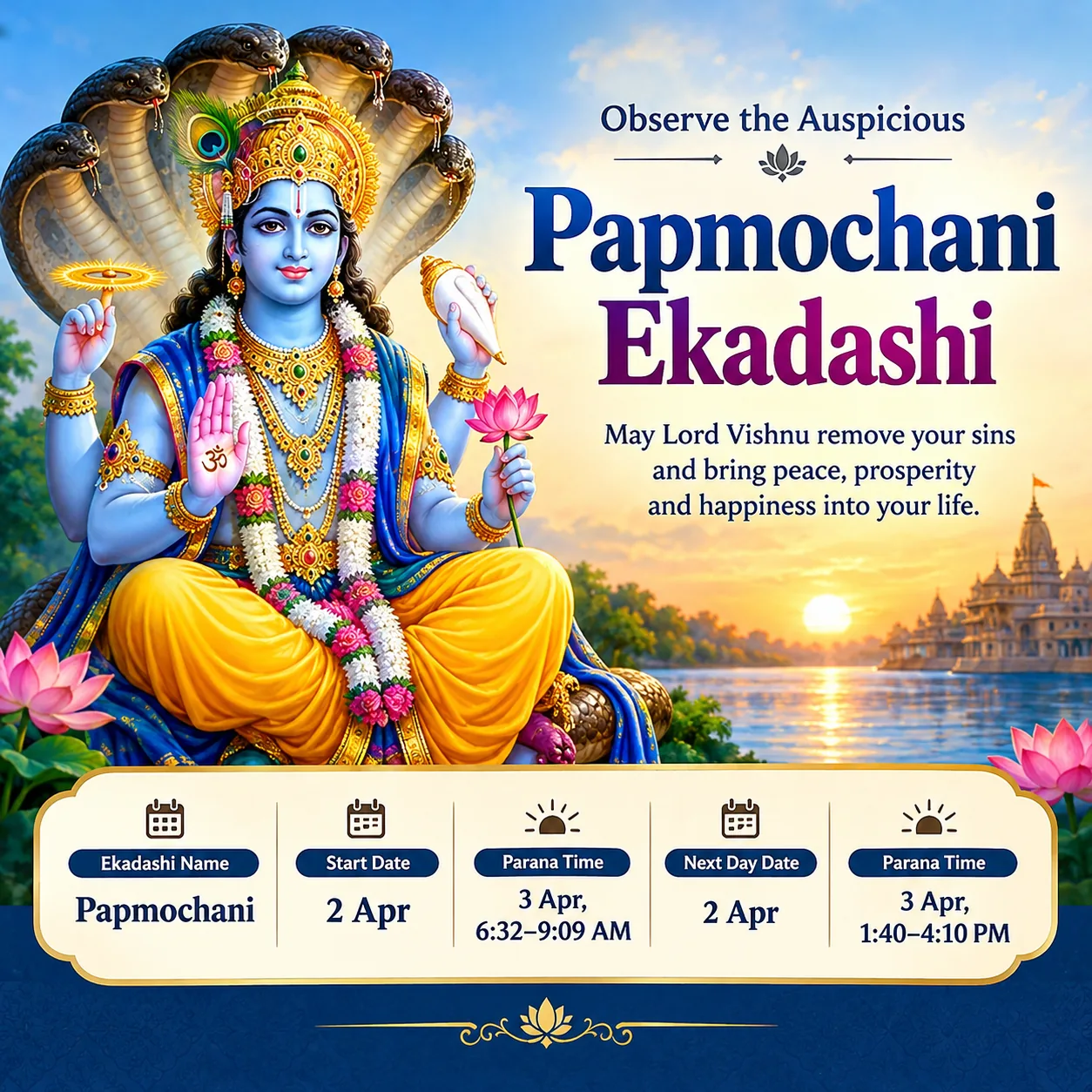
Vrat katha: A well-known account describes the sage Medhavi and the celestial woman Manjughosha. After becoming distracted from spiritual discipline, the sage seeks release from the consequences of his actions. Papmochani Ekadashi is presented as a path towards repentance and spiritual purification.
Devotional invocation: Om Papmochani Ekadashyai Namah.
Spiritual focus: Repentance, forgiveness and renewed commitment to dharma.
8. Kamada Ekadashi — 16 April in London
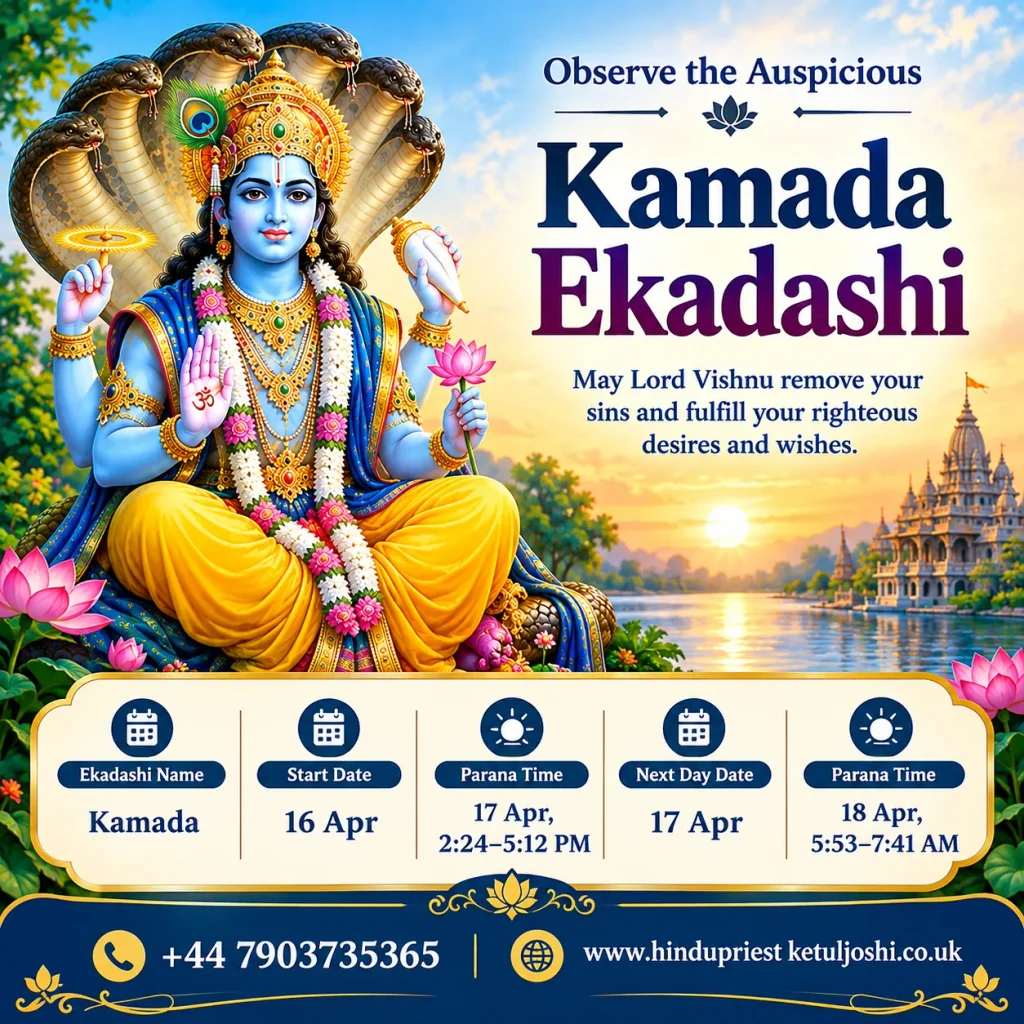
Vrat katha: In the traditional story, a celestial musician is transformed into a frightening being following a curse. His wife observes Kamada Ekadashi and dedicates the merit of her observance to his release. The story highlights faith, compassion and the power of sincere prayer.
Devotional invocation: Om Kamada Ekadashyai Namah.
Spiritual focus: Compassion, devotion and the fulfilment of righteous wishes.
9. Varuthini Ekadashi — 2 May
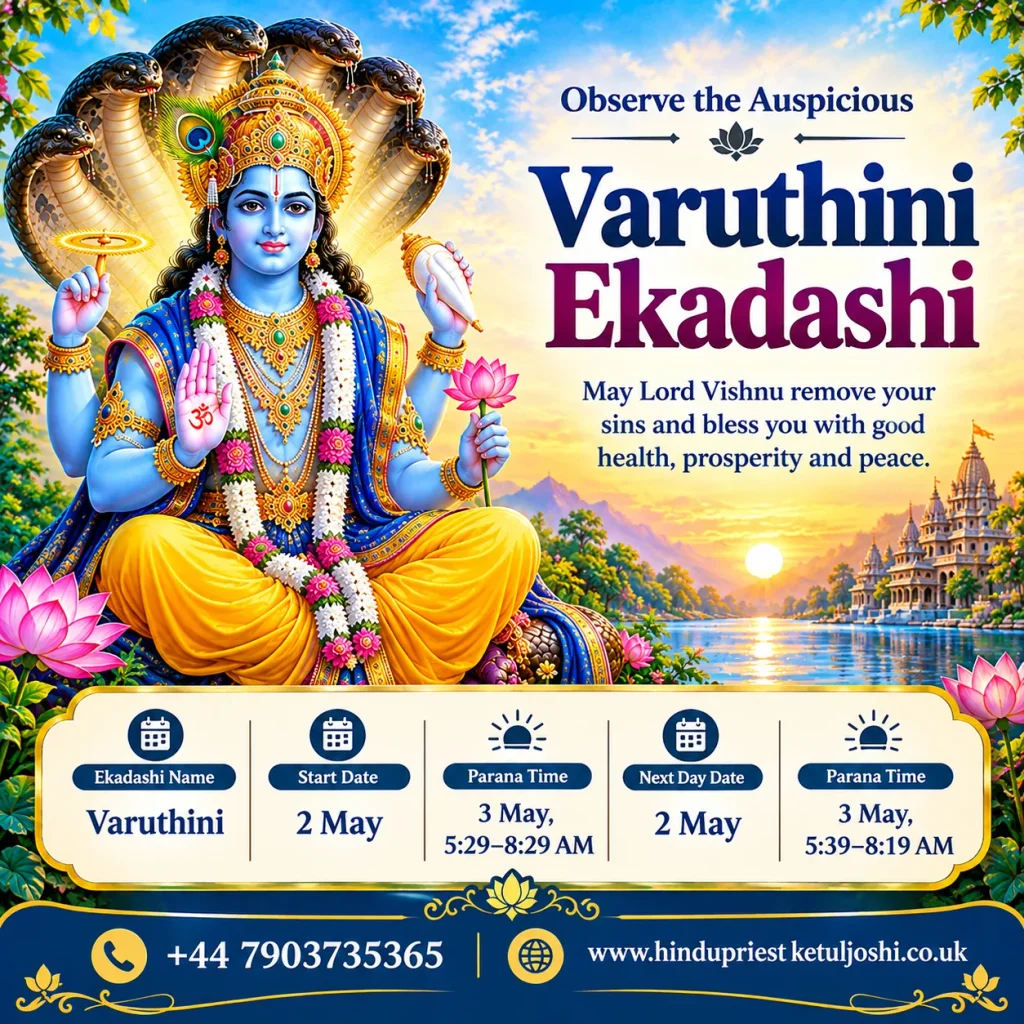
Vrat katha: This observance is traditionally associated with protection, good fortune and spiritual merit. Its religious accounts describe the benefits of disciplined worship and charity, encouraging devotees to follow dharma and avoid harmful conduct.
Devotional invocation: Om Varuthini Ekadashyai Namah.
Spiritual focus: Protection, self-restraint and righteous living.
10. Mohini Ekadashi — 16 May
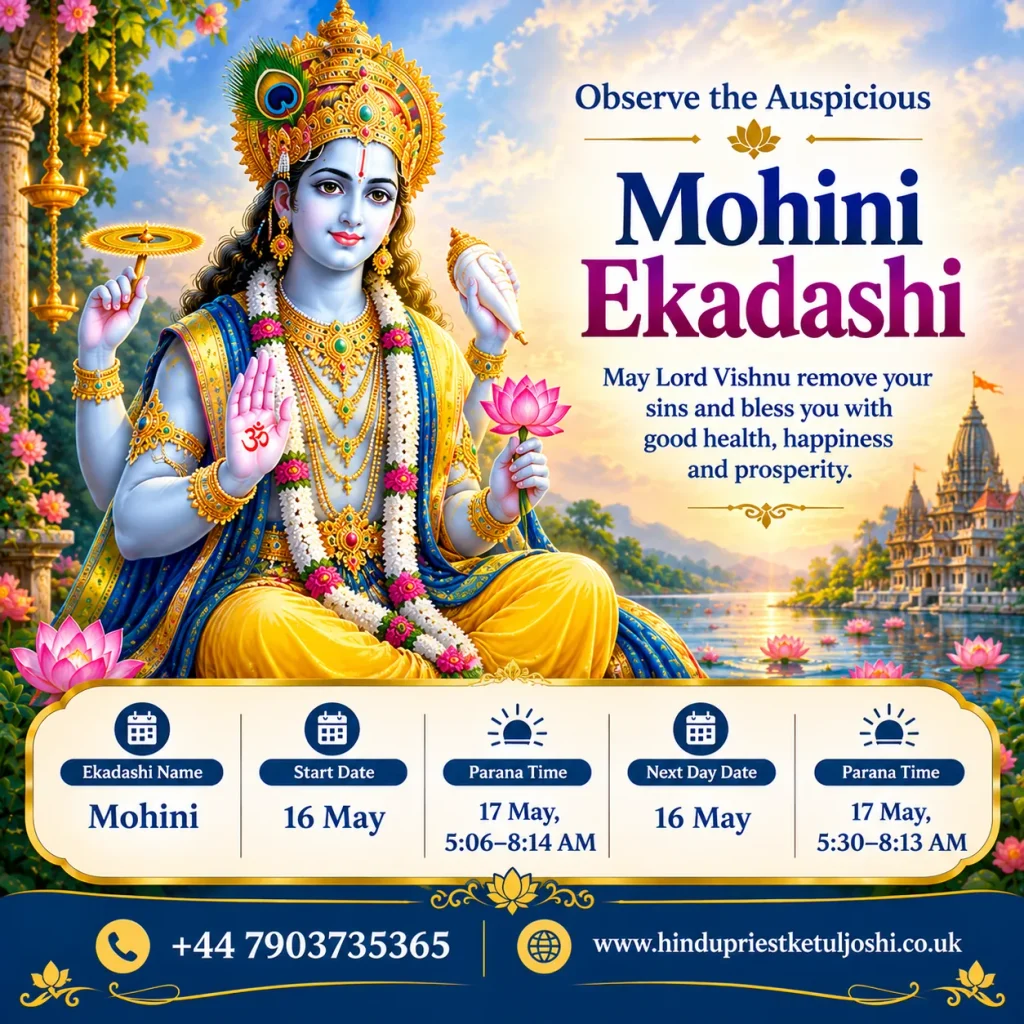
Vrat katha: Mohini Ekadashi is associated with Lord Vishnu’s Mohini form, through which divine wisdom restores order and protects the cosmic balance. The observance is linked with freedom from harmful attachments and the value of spiritual discernment.
Devotional invocation: Om Mohini Ekadashyai Namah.
Spiritual focus: Wisdom, self-control and detachment.
11. Apara Ekadashi — 31 May in London
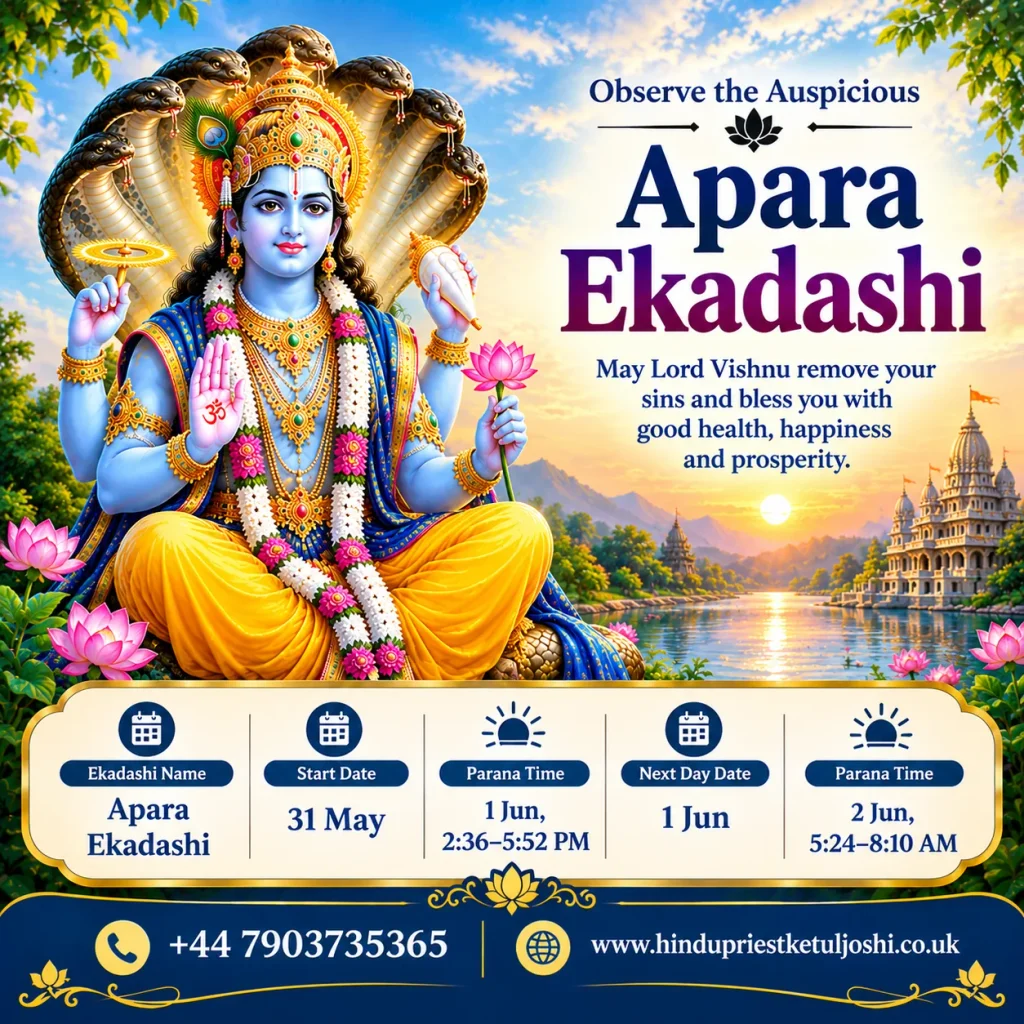
Vrat katha: Traditional teachings describe Apara Ekadashi as an observance associated with spiritual merit and the opportunity to turn away from past wrongdoing. The story encourages sincerity, repentance and good conduct rather than relying on ritual alone.
Devotional invocation: Om Apara Ekadashyai Namah.
Spiritual focus: Repentance, charity and ethical living.
12. Nirjala Ekadashi — 14 June
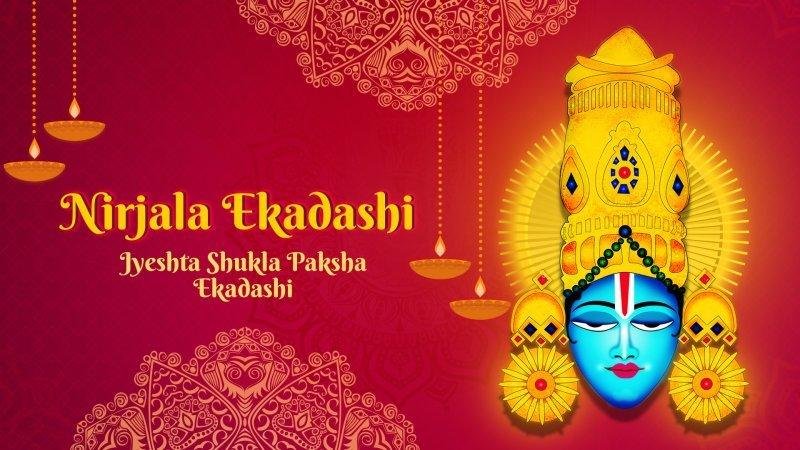
Vrat katha: The story is connected with Bhima, one of the Pandavas, who struggled to observe all the Ekadashi fasts because of his appetite. Sage Vyasa advised him about Nirjala Ekadashi, traditionally observed without food or water. The account explains why the day became associated with especially rigorous fasting.
Devotional invocation: Om Nirjala Ekadashyai Namah.
Spiritual focus: Dedication and perseverance.
A waterless fast is not suitable for everyone. Do not risk dehydration or ignore medical advice in order to observe a strict fast.
13. Yogini Ekadashi — 30 June
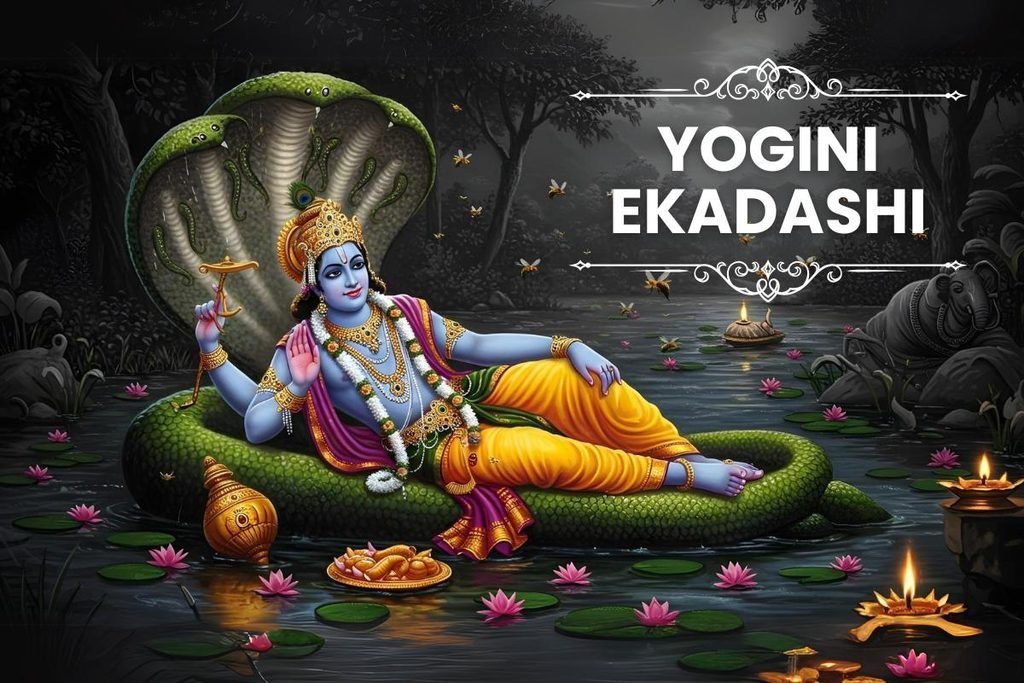
Vrat katha: The traditional story concerns Hemamali, a servant of Kubera who neglects his duties and receives a curse. Following advice from a sage, he observes Yogini Ekadashi and is released from his suffering. The account highlights responsibility and the value of sincere repentance.
Devotional invocation: Om Yogini Ekadashyai Namah.
Spiritual focus: Responsibility, healing and spiritual renewal.
14. Devshayani Ekadashi — 14 July
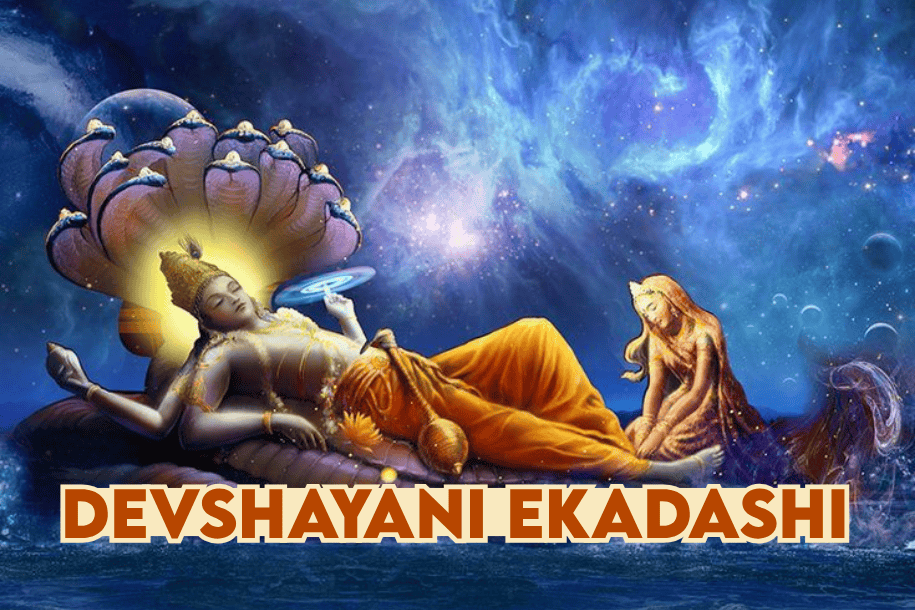
Vrat katha: Devshayani Ekadashi marks the traditional beginning of Lord Vishnu’s cosmic rest during Chaturmas. Devotees use the occasion to renew their vows of devotion and spiritual discipline for the coming period.
Devotional invocation: Om Devshayanayai Ekadashyai Namah.
Spiritual focus: Commitment, devotion and contemplation.
15. Kamika Ekadashi — 29 July
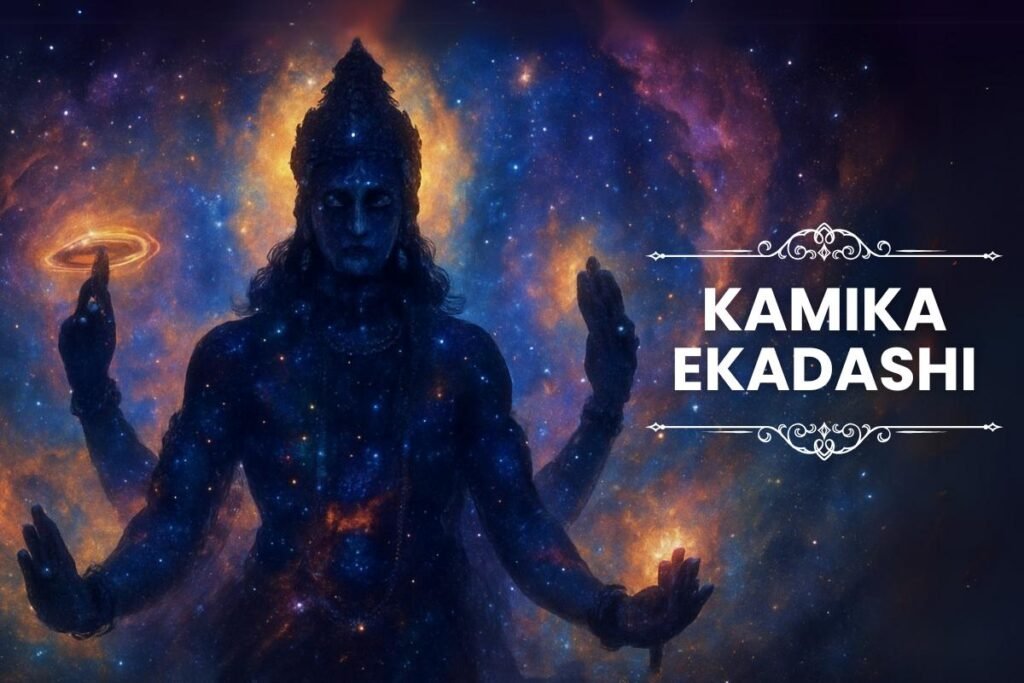
Vrat katha: Traditional accounts associate Kamika Ekadashi with worship of Lord Vishnu and the spiritual merit of sincere offerings. The observance stresses that prayer, humility and good deeds should come from genuine devotion.
Devotional invocation: Om Kamika Ekadashyai Namah.
Spiritual focus: Devotion, charity and purity of intention.
16. Shravana Putrada Ekadashi — 12 August
Vrat katha: Like the Pausha observance, Shravana Putrada Ekadashi is associated with a king and queen who pray for a child. Their sincere observance and Lord Vishnu’s blessings become an example of faith and family devotion.
Devotional invocation: Om Shravana Putrada Ekadashyai Namah.
Spiritual focus: Family well-being, gratitude and prayer.
17. Aja Ekadashi — 27 August in London
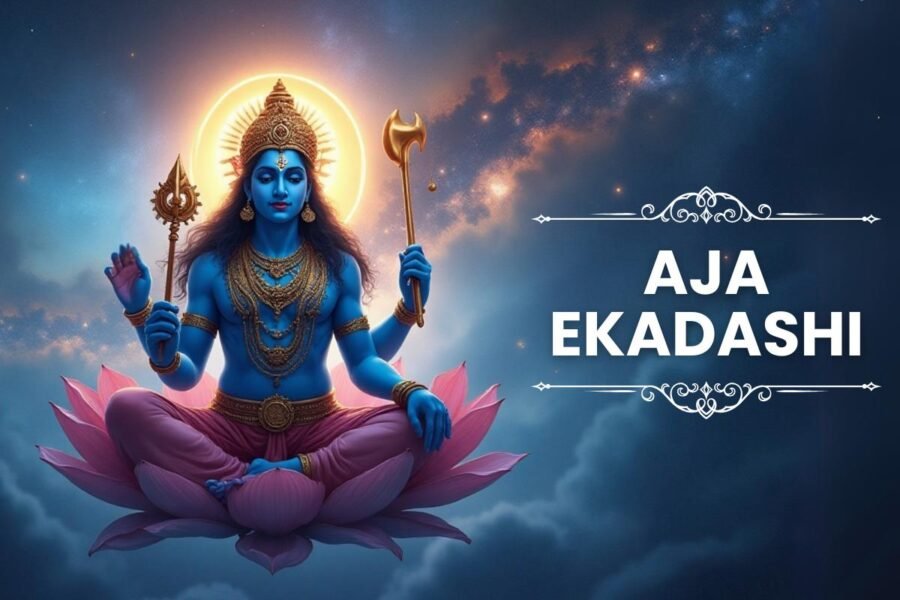
Vrat katha: The story centres on King Harishchandra, renowned for truthfulness. After facing severe hardship, he receives spiritual relief through the observance of Aja Ekadashi. The narrative emphasises truth, perseverance and faith in difficult times.
Devotional invocation: Om Aja Ekadashyai Namah.
Spiritual focus: Truthfulness, endurance and integrity.
18. Parivartini Ekadashi — 11 September
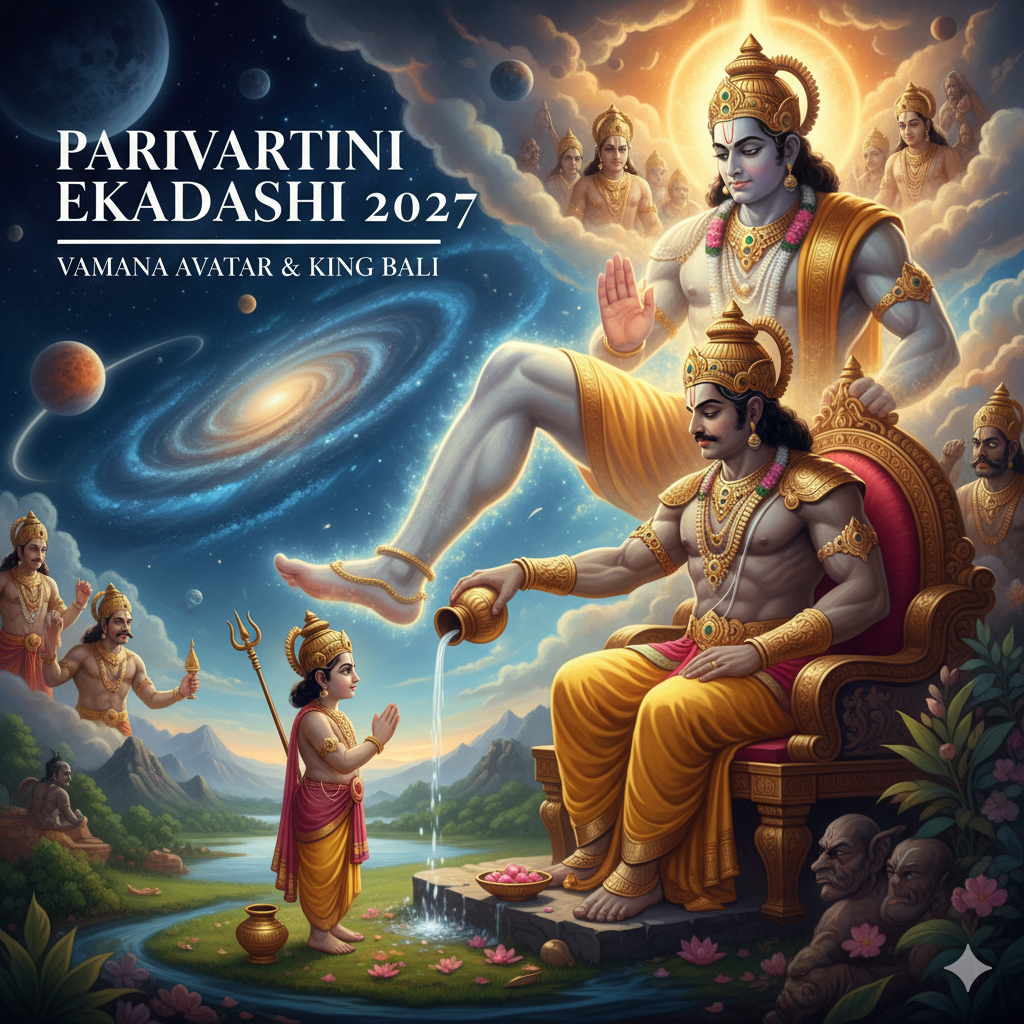
Vrat katha: Also known as Parsva Ekadashi in some traditions, this observance is connected with Lord Vishnu’s symbolic change of sleeping position during Chaturmas. Its significance centres on divine protection, renewal and continued devotion.
Devotional invocation: Om Parivartini Ekadashyai Namah.
Spiritual focus: Renewal, devotion and gratitude.
19. Indira Ekadashi — 26 September
Vrat katha: A traditional story describes King Indrasena, who learns through a divine message that his deceased father requires spiritual assistance. The king observes Indira Ekadashi and dedicates the merit to his ancestor. The observance is therefore associated with remembrance of departed family members and prayers for their peace.
Devotional invocation: Om Indira Ekadashyai Namah.
Spiritual focus: Ancestor remembrance, gratitude and prayer.
20. Papankusha Ekadashi — 11 October
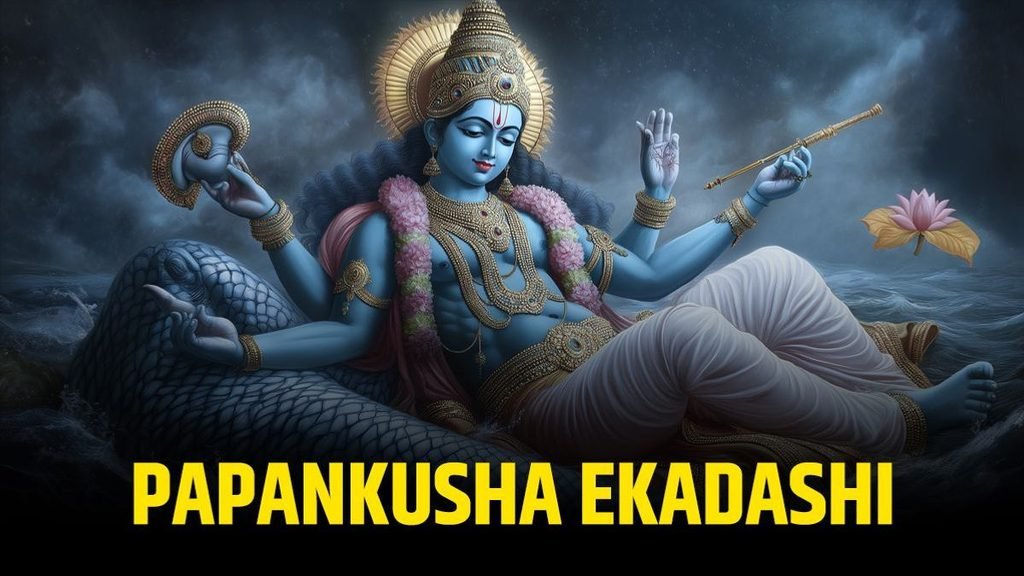
Vrat katha: Papankusha Ekadashi is associated with worship of Lord Vishnu and the spiritual benefits of turning away from wrongdoing. Traditional teachings emphasise repentance, devotion and the pursuit of a righteous life.
Devotional invocation: Om Papankusha Ekadashyai Namah.
Spiritual focus: Spiritual purification and self-reflection.
21. Rama Ekadashi — 25 October
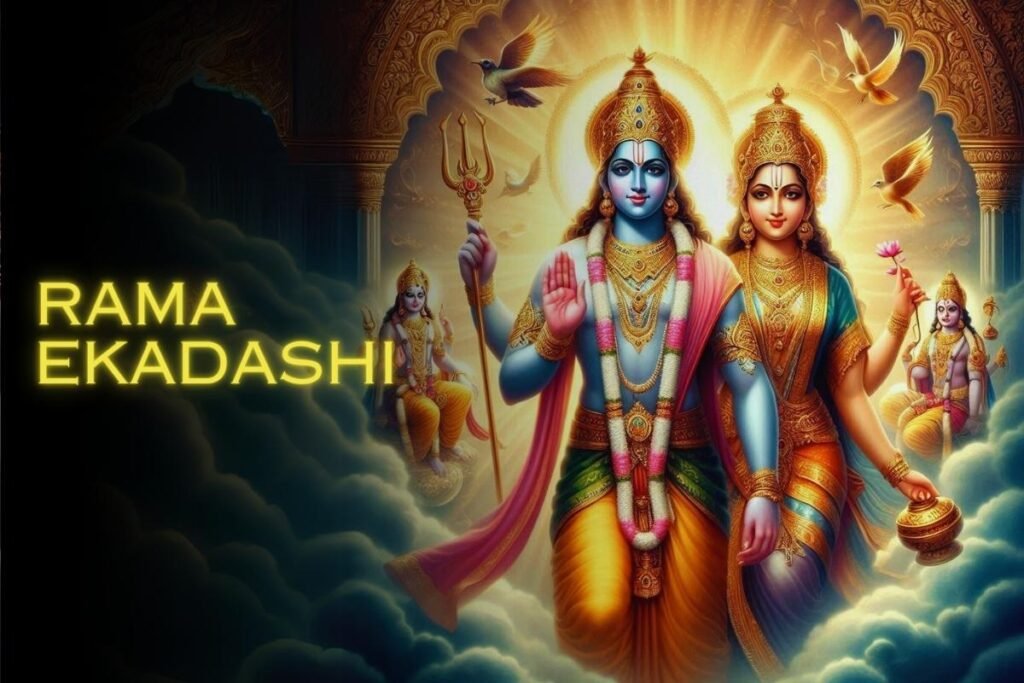
Vrat katha: Rama Ekadashi is associated with devotion to Lord Vishnu and Goddess Lakshmi in many traditions. Its religious stories and teachings highlight the value of faith, charity, restraint and remembrance of the Divine.
Devotional invocation: Om Rama Ekadashyai Namah.
Spiritual focus: Devotion, prosperity and gratitude.
22. Devutthana Ekadashi — 9 November in London
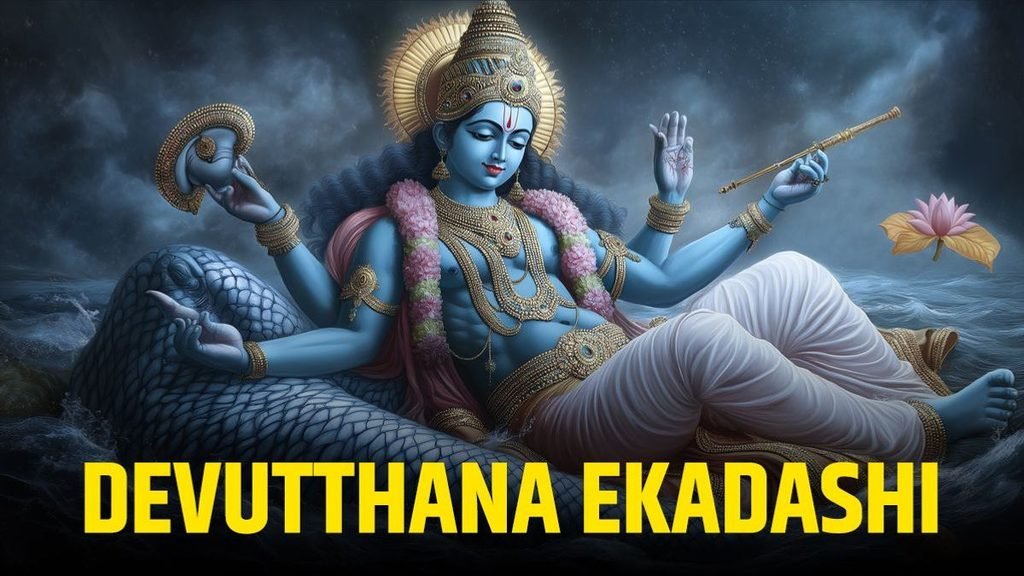
Vrat katha: Also known as Prabodhini Ekadashi or Dev Uthani Ekadashi, this day marks the traditional awakening of Lord Vishnu after his cosmic rest. It is associated with the conclusion of Chaturmas and the resumption of many auspicious ceremonies in Hindu tradition.
Devotional invocation: Om Devutthana Ekadashyai Namah.
Spiritual focus: Awakening, auspicious beginnings and renewed devotion.
23. Utpanna Ekadashi — 23 November in London
Vrat katha: A traditional account describes the divine manifestation of Ekadashi as a protective power that helps Lord Vishnu overcome the demon Mura. The observance celebrates the origin and spiritual importance of Ekadashi vrat.
Devotional invocation: Om Utpanna Ekadashyai Namah.
Spiritual focus: Courage, divine protection and spiritual discipline.
24. Mokshada Ekadashi — 9 December
Vrat katha: Mokshada Ekadashi is associated with liberation and the removal of spiritual obstacles. It is also observed as Gita Jayanti in many Hindu calendars, commemorating Lord Krishna’s teachings in the Bhagavad Gita.
Devotional invocation: Om Mokshada Ekadashyai Namah.
Spiritual focus: Spiritual knowledge, liberation and righteous action.
25. Saphala Ekadashi — 23 December
The final listed Ekadashi of 2027 is another opportunity to renew devotional practice. Its traditional story of Prince Lumpaka teaches that sincere repentance, prayer and devotion can lead to a more righteous life.
Devotional invocation: Om Saphala Ekadashyai Namah.
Spiritual focus: Renewal, gratitude and spiritual progress.
Ekadashi Vrat Puja Vidhi: Step-by-Step Worship
The following is a general home puja procedure. Families may follow additional steps according to their sampradaya or regional tradition.
Step 1: Clean the puja area
Clean your prayer space and prepare an image or murti of Lord Vishnu or Shri Krishna. Arrange flowers, a lamp, incense and other customary offerings.
Step 2: Bathe and make a sankalp
After bathing, wear clean clothes and make a personal sankalp to observe the vrat according to your ability and tradition.
Step 3: Offer prayers to Lord Vishnu
Light a diya, offer flowers and apply a suitable tilak if this is part of your practice. Offer water and other permitted items according to your family tradition.
Step 4: Chant Vishnu mantras
Chant “Om Namo Bhagavate Vasudevaya” or the Hare Krishna maha-mantra:
Hare Krishna, Hare Krishna, Krishna Krishna, Hare Hare; Hare Rama, Hare Rama, Rama Rama, Hare Hare.
Repeat the mantra at a comfortable pace while focusing on devotion.
Step 5: Read the vrat katha
Read or listen to the story of the specific Ekadashi. Reflect on its moral lessons and discuss its meaning with family members if appropriate.
Step 6: Perform aarti
Offer aarti to Lord Vishnu or Shri Krishna according to your household’s customary practice.
Step 7: Practise charity and kindness
If possible, offer food, clothes or other suitable assistance to someone in need. Charity is an important part of many Ekadashi traditions.
Step 8: Complete the vrat with Parana
On Dwadashi, break the fast within the correct Parana window for your location and observance. Follow your tradition for the appropriate first food or drink.
Ekadashi Fasting Rules
Fasting customs vary. Some devotees abstain from all food, others take water and fruit, and many follow a diet that avoids grains and pulses.
Common practices include:
- Eating only foods permitted by your chosen vrat tradition.
- Avoiding ordinary grain-based meals, including rice and wheat, if required by your custom.
- Spending time in prayer, meditation, mantra chanting or religious reading.
- Speaking truthfully and practising patience, compassion and self-restraint.
- Giving charity when possible.
- Observing the fast to the best of your ability without harming your health.
Who should avoid strict fasting?
Children, pregnant or breastfeeding people, older adults, and people with diabetes, kidney problems, eating disorders or other medical conditions should seek appropriate medical advice before fasting. Do not undertake a waterless fast if it could endanger your health. A modified observance may be more appropriate.
Lord Vishnu Mantras for Ekadashi Vrat
1. Lord Vishnu Moola Mantra
Sanskrit:
ॐ नमो भगवते वासुदेवाय॥
English transliteration: Om Namo Bhagavate Vasudevaya.
Meaning: I bow to Lord Vasudeva, the Supreme Divine Lord.
When to chant: During Ekadashi, daily prayer, meditation and Vishnu puja.
2. Shri Vishnu Gayatri Mantra
Sanskrit:
ॐ नारायणाय विद्महे। वासुदेवाय धीमहि। तन्नो विष्णुः प्रचोदयात्॥
English transliteration:
Om Narayanaya Vidmahe, Vasudevaya Dhimahi, Tanno Vishnuh Prachodayat.
Meaning: We meditate upon Lord Narayana and contemplate Lord Vasudeva. May Lord Vishnu inspire and guide our intellect.
3. Lord Vishnu Pranam Mantra
Sanskrit:
शान्ताकारं भुजगशयनं पद्मनाभं सुरेशम्। विश्वाधारं गगनसदृशं मेघवर्णं शुभाङ्गम्॥
English transliteration:
Shantakaram Bhujagashayanam Padmanabham Suresham, Vishwadharam Gaganasadrisham Meghavarnam Shubhangam.
Meaning: This verse describes Lord Vishnu as peaceful, resting on the cosmic serpent, supporting the universe and possessing a divine, auspicious form.
4. Shri Hari Mantra
Sanskrit:
ॐ हरये नमः॥
English transliteration: Om Haraye Namah.
Meaning: Salutations to Lord Hari, the remover of suffering and ignorance.
When to chant: During Ekadashi worship and whenever remembering Lord Vishnu.
5. Lord Vishnu Ashtakshari Mantra
Sanskrit:
ॐ नमो नारायणाय॥
English transliteration: Om Namo Narayanaya.
Meaning: I bow to Lord Narayana, the Supreme Divine Being.
When to chant: For devotion, peace of mind and spiritual reflection.
6. Shri Vishnu Dwadashakshari Mantra
Sanskrit:
ॐ नमो भगवते वासुदेवाय॥
English transliteration: Om Namo Bhagavate Vasudevaya.
Meaning: I offer my salutations to Lord Vasudeva.
When to chant: During Vishnu puja, Ekadashi vrat and devotional meditation. This is also known as the twelve-syllable mantra.
7. Lord Vishnu Shanti Prayer
Sanskrit:
ॐ शान्तिः शान्तिः शान्तिः॥
English transliteration: Om Shantih Shantih Shantih.
Meaning: May peace prevail in the individual, the surroundings and the wider universe.
When to chant: At the end of Vishnu puja or prayer.
8. Shri Vishnu Stuti
Sanskrit:
मङ्गलं भगवान् विष्णुः। मङ्गलं गरुडध्वजः। मङ्गलं पुण्डरीकाक्षः। मङ्गलायतनो हरिः॥
English transliteration:
Mangalam Bhagavan Vishnuh, Mangalam Garudadhwajah, Mangalam Pundarikakshah, Mangalayatano Harih.
Meaning: Auspiciousness belongs to Lord Vishnu, the one whose banner bears Garuda, the lotus-eyed Lord and the source of auspiciousness.
9. Shri Krishna Mantra
Sanskrit:
हरे कृष्ण हरे कृष्ण। कृष्ण कृष्ण हरे हरे। हरे राम हरे राम। राम राम हरे हरे॥
English transliteration:
Hare Krishna Hare Krishna, Krishna Krishna Hare Hare, Hare Rama Hare Rama, Rama Rama Hare Hare.
Meaning: A devotional chant invoking Lord Krishna and Lord Rama, forms of Lord Vishnu.
10. Lord Vishnu Naam Jaap
Devotees may also chant these sacred names of Lord Vishnu:
- ॐ विष्णवे नमः — Om Vishnave Namah
- ॐ गोविन्दाय नमः — Om Govindaya Namah
- ॐ माधवाय नमः — Om Madhavaya Namah
- ॐ केशवाय नमः — Om Keshavaya Namah
- ॐ दामोदराय नमः — Om Damodaraya Namah
- ॐ श्रीधराय नमः — Om Shridharaya Namah
- ॐ पद्मनाभाय नमः — Om Padmanabhaya Namah
- ॐ वासुदेवाय नमः — Om Vasudevaya Namah
How to chant Lord Vishnu mantras on Ekadashi
- Wake up, bathe and wear clean clothes, if possible.
- Place an image or murti of Lord Vishnu or Shri Krishna in your puja area.
- Offer water, flowers, tulsi leaves where appropriate, and a diya.
- Chant your chosen mantra 11, 21 or 108 times, according to your time and tradition.
- Read the Ekadashi Vrat Katha and spend some time in prayer.
- Observe fasting according to your health, ability and family tradition.
The most important aspect is sincere devotion. Fasting and mantra chanting should be undertaken according to one’s ability and circumstances.
Why Is Rice Prohibited on Ekadashi?
Avoiding rice on Ekadashi is a widely followed Hindu religious custom, although practices vary between communities.
One traditional explanation comes from religious stories in which rice and other grains are associated with spiritual impurity on Ekadashi. Some tellings connect this belief with a story about a divine manifestation of sin entering grains. These accounts are religious traditions, not scientific explanations.
Another explanation is that avoiding ordinary grain-based meals serves as an act of self-restraint. Devotees simplify their diet and redirect their attention towards prayer and spiritual practice.
For many households, the rule extends beyond rice to wheat, lentils and other grains or pulses. However, the permitted foods depend on the family’s tradition. Some devotees eat fruit, milk, nuts, potatoes or specially prepared fasting foods.
The important point is to follow your customary practice with sincerity rather than judge the devotion of others by their diet.
What Should You Avoid on Ekadashi?
Depending on your tradition, the following may be avoided:
- Rice, wheat and other grains.
- Ordinary pulses and beans.
- Meat, fish and eggs.
- Alcohol and intoxicating substances.
- Anger, gossip, dishonesty and harmful behaviour.
- Excessive distractions that prevent prayer or reflection.
- Breaking the fast before the appropriate Parana time.
Some families also avoid certain spices, vegetables or foods prepared with grain-based ingredients. Check food labels and follow your own household’s fasting rules.
Avoid forcing others to fast or making the observance unsafe. The spiritual purpose is devotion and self-discipline, not harm.
Benefits of Ekadashi Fasting
The benefits traditionally associated with Ekadashi include:
1. Spiritual focus
Setting aside time for prayer and mantra chanting can strengthen a person’s devotional routine.
2. Self-discipline
A planned fast encourages restraint and awareness of everyday habits.
3. Reflection and gratitude
The vrat offers an opportunity to reflect on personal conduct, family responsibilities and spiritual values.
4. Charity and compassion
Many devotees use Ekadashi as a reminder to support people in need and act kindly towards others.
5. Family and cultural continuity
Observing the vrat and explaining its stories to children can help families preserve their religious heritage.
6. Mindful eating
Some people use fasting days to become more mindful of their food choices. However, fasting is not a guaranteed health treatment, and strict fasting can be unsafe for some people.
Religious benefits are matters of faith. Any physical or mental health effects depend on the individual and the way the fast is observed.
Finding a Hindu Priest in the UK for Religious Ceremonies
Families may seek guidance when planning a puja, a family ceremony or another Hindu religious observance. A suitable priest can help explain the ritual procedure, customary offerings and preparation requirements.
Hindu Priest Ketul Joshi Maharaj provides information about Hindu religious ceremony services for families in the UK. Visit the Hindu Priest Ketul Joshi Maharaj homepage to explore the services offered.
If you are looking for a hindu priest uk or a hindu priest in uk, consider experience, knowledge of your family’s tradition, language preferences and availability. People searching for a hindu priest near me should confirm whether the priest serves their area and whether travel arrangements are needed.
Families seeking a hindu priest london can enquire about the ceremonies they wish to arrange. Experienced Indian priests may also help families understand the meaning behind traditional mantras and rituals.
You can find further information about Nirjala Ekadashi vrat, its katha and mantras. Although this is an older article, its religious background may be useful alongside the updated 2027 calendar.
For other festival and vrat information, visit the Shravan month guide.
Frequently Asked Questions About Ekadashi 2027
How many Ekadashis are there in 2027?
The calendar above lists 24 main observances. The dates can differ between traditions, and additional Ekadashis may occur in years containing an intercalary lunar month.
What time should I break my Ekadashi fast in London?
Parana depends on the local Panchang and your observance tradition. Use the London timing in the calendar as a reference, then confirm the correct date and time for your own tradition.
Are Ekadashi dates the same in India and the UK?
Not always. Local sunrise and the rules used to determine the fasting day can lead to different dates. Always use a calendar calculated for your location.
Why do Hindus avoid rice on Ekadashi?
Avoiding rice is a traditional fasting rule in many Hindu communities. It is associated with religious stories and the practice of self-restraint. The exact dietary rules vary between families and traditions.
Which mantra can I chant on Ekadashi?
A widely used mantra is “Om Namo Bhagavate Vasudevaya.” Devotees may also chant the Hare Krishna maha-mantra or prayers followed by their family.
Can I observe Ekadashi without a strict fast?
Yes. Many traditions recognise different forms of fasting and devotional observance. Choose a practice that suits your health and follows your family’s customs.
Does Ekadashi require a priest?
No. Many devotees perform their regular Ekadashi prayers at home. A priest may be helpful if you need guidance for a particular puja or ceremony.
Conclusion
Ekadashi provides a recurring opportunity to worship Lord Vishnu, practise self-discipline, read sacred stories and strengthen spiritual values. The 2027 calendar helps devotees plan their vrat throughout the year.
Before each observance, confirm your local Ekadashi date and Parana timing, especially when the Smarta and Vaishnava calendars differ. Observe the fast according to your tradition and personal circumstances.
For information about Hindu religious ceremonies and puja services in Britain, visit Hindu Priest Ketul Joshi Maharaj. May Lord Vishnu bless you and your family with peace, wisdom and well-being.