Hindu Death Rituals After Death: Complete Day-by-Day Guide from Funeral to 13th Day
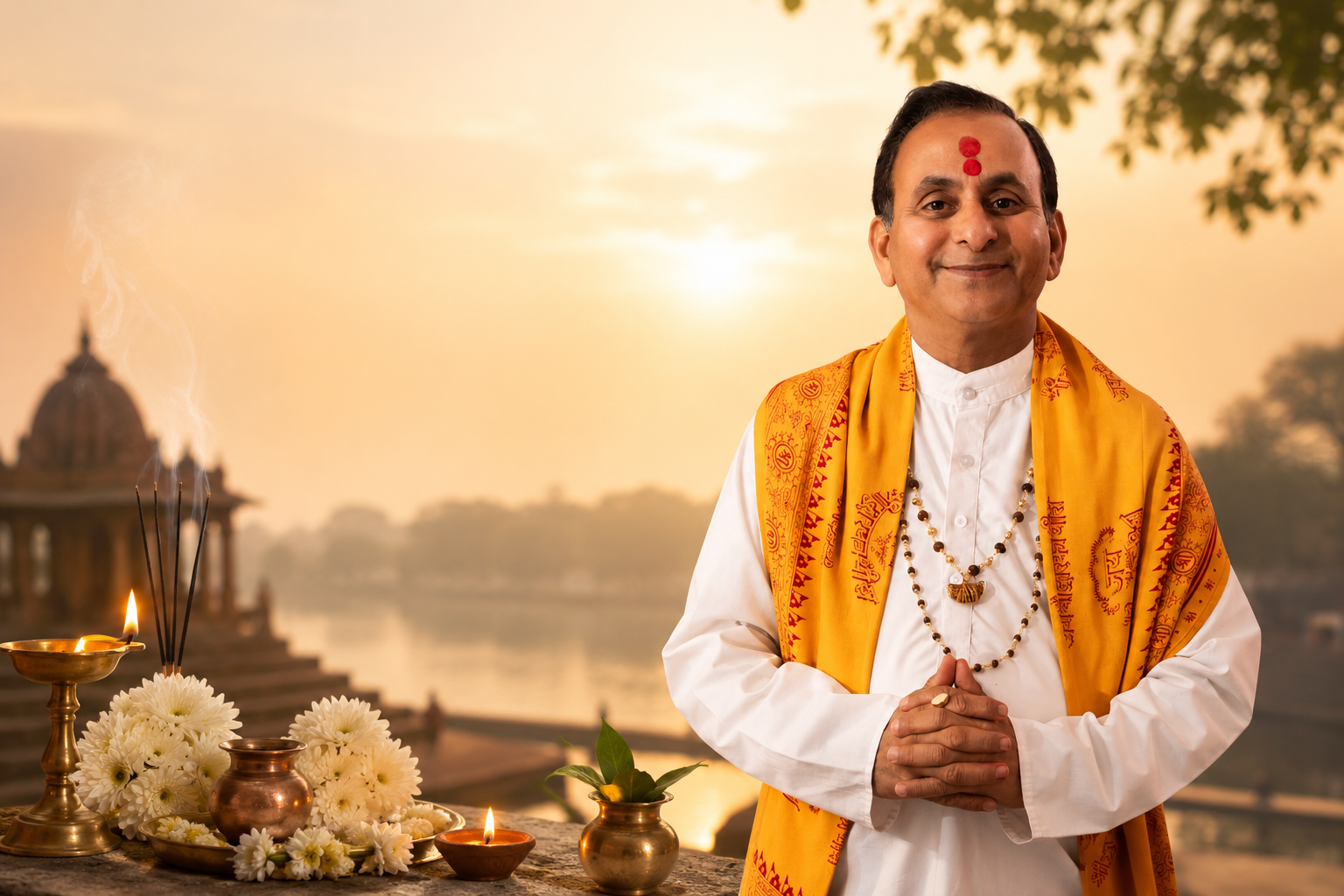
When a loved one passes away, Hindu traditions provide a structured spiritual path to help the family perform a Hindu funeral, complete the necessary Hindu funeral rites, and support the soul’s journey after death. Although customs differ between Hindu communities, regions, family traditions and sampradayas, many families follow a sequence of Hindu death rituals after death beginning immediately after passing and continuing through cremation and the 10th, 11th, 12th and 13th-day ceremonies.
For families living in Britain, understanding Hindu funeral UK traditions can be particularly important because the rituals may need to be performed alongside UK crematorium procedures, funeral arrangements and legal requirements.
This complete guide explains Hindu death rituals, Hindu rituals after death, Hindu funeral rituals after death, cremation customs, mourning practices and the traditional Hindu funeral rites 13 days period.
If your family needs guidance, an experienced Hindu priest can explain which ceremonies are appropriate for your family tradition and help coordinate the rituals in the UK.
What Are Hindu Death Rituals After Death?
Hindu death rituals after death are a series of religious and family ceremonies traditionally performed following the death of a Hindu person. These rituals are intended to honour the deceased, support the family during mourning and symbolically assist the departed soul on its onward spiritual journey.
The exact sequence of Hindu death rituals varies considerably. Gujarati, North Indian, South Indian, Marathi, Punjabi, Bengali and other Hindu traditions may have different prayers, mantras, offerings and timings.
Some families perform ceremonies for 10 days, while others follow an 11-day, 12-day or 13-day sequence. Therefore, there is no single universal version of Hindu rituals after death.
A knowledgeable Hindu priest can help a family follow its own tradition while adapting the ceremonies to practical circumstances in the UK.
For a broader explanation of funeral customs, families can also read our Hindu funeral rituals guide.
Hindu Funeral: What Happens Immediately After Death?
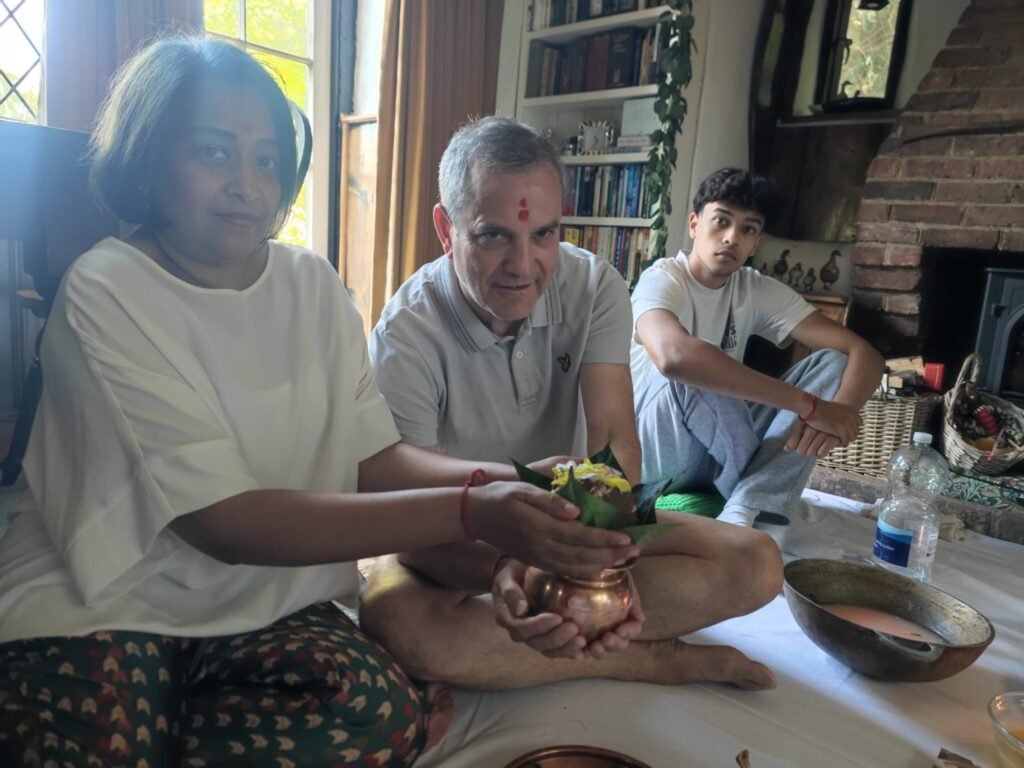
The first stage of a Hindu funeral generally begins after the person passes away.
Family members may gather around the deceased and recite prayers or God’s name. Depending on the family tradition, the body may be placed respectfully with the head facing a particular direction.
A lamp or diya may be lit, and family members may recite prayers, mantras or passages from Hindu scriptures.
The family normally contacts a funeral director and a Hindu priest to begin making arrangements.
For families arranging a Hindu funeral in Britain, our Hindu Funeral UK Guide provides additional information about UK funeral arrangements, rituals, prayers, costs and booking a priest.
Common preparations include:
- Washing and preparing the body according to family tradition
- Dressing the deceased in clean traditional clothing
- Applying sandalwood, kumkum or other appropriate religious markings
- Placing flowers around the body
- Lighting a diya where appropriate
- Reciting Hindu funeral prayers
- Chanting appropriate Hindu funeral mantras
- Arranging the cremation
- Contacting an appropriate Hindu priest in UK
- Preparing materials required for the funeral ceremony
The exact customs should always be confirmed with the family’s Hindu priest.
Hindu Death Ceremony Before Cremation
The Hindu death ceremony generally includes prayers and rituals performed before the body is taken for cremation.
Depending on the tradition, family members may perform symbolic offerings and prayers for the deceased.
The priest may guide the principal family member, often referred to as the karta, through the required rituals.
The purpose of these Hindu funeral rituals is not simply ceremonial. They provide an opportunity for family members to express respect, remembrance, devotion and acceptance while following their religious tradition.
In the UK, the Hindu death ceremony UK arrangements may need to be coordinated carefully with the crematorium’s available timings.
This is one reason why families often choose an experienced Hindu priest London or another local priest who understands both Hindu customs and UK funeral arrangements.
Hindu Funeral Mantras and Hindu Funeral Prayers
Prayer is an important part of many Hindu funeral traditions.
During a Hindu funeral, the priest may recite appropriate Hindu funeral mantras, while family members may participate in prayers according to their tradition.
You can also read our detailed guide to Hindu funeral mantras and funeral rituals for additional information about traditional chanting and prayers.
Some commonly heard prayers and chants may include:
- Om Namah Shivaya
- Ram Naam
- Bhagavad Gita verses
- Maha Mrityunjaya Mantra
- Garuda Purana-related prayers or teachings, where traditionally followed
- Peace prayers such as Om Shanti
- Other family-specific Vedic mantras
The precise selection of Hindu funeral mantras depends on the family’s tradition and the priest conducting the ceremony.
Similarly, Hindu funeral prayers can vary according to region, sampradaya and family customs.
The purpose is to create an atmosphere of spiritual remembrance, peace and devotion.
Families should not feel pressured to perform every ritual found online. A qualified Hindu priest can explain which Hindu funeral prayers and Hindu funeral mantras are appropriate.
Hindu Funeral Cremation Rituals
Cremation is an important part of many Hindu funeral traditions.
The priest guides the family through the required Hindu funeral rites before and during cremation. Depending on the tradition, the principal mourner may participate in specific rituals.
The ceremony can include:
- Prayers and sankalpa
- Offerings
- Circumambulation
- Final prayers
- Lighting or symbolic participation in the cremation
- Recitation of mantras
- Prayers for peace and liberation
The precise procedure varies between families.
Modern Hindu funeral UK ceremonies may also need to adapt traditional practices to the rules of the crematorium.
An experienced Hindu priest in UK can explain what can be performed at the crematorium and what may need to be completed elsewhere.
Hindu Rituals After Cremation
The ceremonies do not necessarily end when cremation is complete.
Hindu rituals after cremation may include prayers, offerings and observances performed during the following days.
In some traditions, family members collect the ashes after cremation and later perform asthi visarjan, where the ashes are immersed in a suitable body of water according to religious custom and local regulations.
The timing and procedure can differ significantly.
Some families may perform additional prayers at home, while others arrange ceremonies at a temple or another appropriate location.
These Hindu rituals after cremation form part of the wider mourning and remembrance process.
Hindu Funeral Rites 13 Days: Day-by-Day Guide
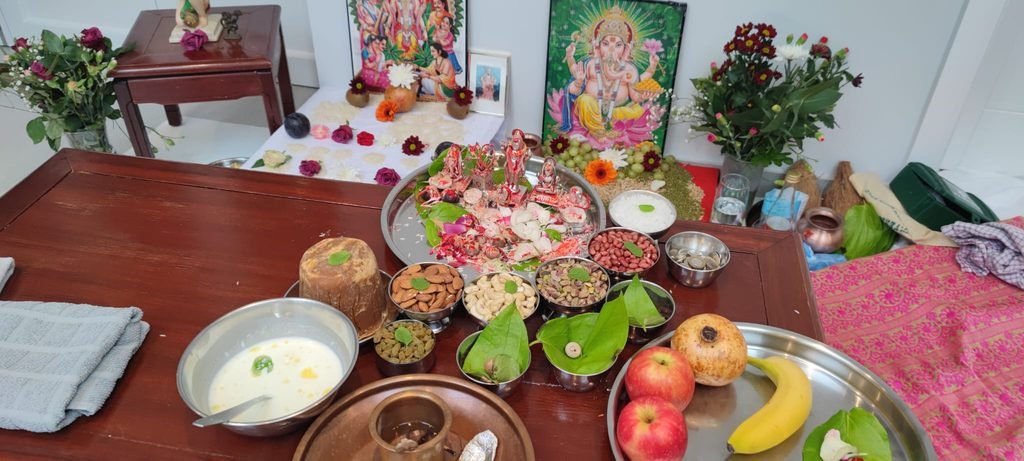
One of the most commonly searched aspects of Hindu funeral traditions is the Hindu funeral rites 13 days period.
The traditional 13-day period is often associated with mourning, remembrance and ceremonies performed for the departed.
However, it is important to understand that the Hindu funeral rites 13 days are not identical for every Hindu family.
The following is a general guide.
Day 1 – Hindu Funeral and Cremation
The first day normally focuses on the Hindu funeral, cremation and immediate religious responsibilities.
The family may perform the principal Hindu funeral rites under the guidance of a priest.
Prayers are offered, mantras are recited and the cremation ceremony is completed according to the family’s tradition.
The family then begins its formal mourning period.
A Hindu priest can guide the family through each stage and explain what should be done after cremation.
Day 2 – Beginning of Mourning Observances
On the second day, families may continue prayers and mourning practices.
Depending on tradition, family members may perform offerings associated with the deceased.
Some families observe restrictions regarding food, social activities and religious practices during this period.
These practices form part of the Hindu mourning period.
The precise customs should be confirmed with the family’s Hindu priest, because practices can differ substantially.
Day 3 to Day 5 – Continuing Hindu Rituals After Death
During the following days, the family may continue daily prayers and offerings.
Some traditions include pindas or other offerings as part of the ceremonies for the departed.
These are examples of Hindu rituals after death that are traditionally performed to honour and remember the deceased.
The family may also continue reciting Hindu funeral prayers or other devotional prayers.
For families in the UK, a priest can advise whether ceremonies should be performed at home, at a temple or another appropriate location.
Day 6 to Day 9 – Continuing the Mourning Period
Days six through nine may continue the family’s religious observances.
The exact rituals depend on the family’s tradition.
During the Hindu mourning period, family members may avoid celebrations and certain social activities.
Families may also gather together to pray and remember the deceased.
The priest may provide guidance regarding daily offerings, prayers and any specific Hindu funeral mantras required by the tradition.
Not every Hindu family performs exactly the same ceremonies on these days.
Day 10 – Tenth-Day Hindu Death Rituals
The tenth day can be particularly significant in several Hindu traditions.
Special purification and remembrance ceremonies may be performed.
The family may undertake rituals intended to mark a transition in the mourning process.
In some traditions, the 10th-day ceremony is known as Daswan or Dashah, although terminology and procedures vary.
The Hindu death ceremony performed on this day may include offerings, prayers and other rites under the guidance of a priest.
Because the tenth-day observance differs considerably between traditions, families should seek advice from their Hindu priest.
Day 11 – Hindu Rituals After Death
The 11th day can include important religious ceremonies.
Depending on the tradition, families may perform special offerings, purification rituals, prayers and ceremonies for the departed.
These are part of the broader Hindu rituals after death.
In some traditions, priests perform specific rites intended to support the deceased’s spiritual transition.
The exact ceremony can depend on regional tradition and family practice.
A qualified Hindu priest in UK can help families understand which ceremony applies to their tradition.
Day 12 – Pre-13th-Day Ceremonies
The 12th day may include additional ceremonies and offerings.
In some traditions, the family performs rituals connected with the transition from the immediate mourning period toward normal religious and family life.
Some families refer to these ceremonies as Sapindikarana or related rites, although the exact procedure varies.
Because these ceremonies can be complex, they should be performed according to the family’s established tradition.
A Hindu priest can explain the significance of the ceremony and guide the family through each step.
Day 13 – Hindu funeral rites 13th Day Ceremony
The Hindu 13th day ceremony is traditionally an important concluding stage for many Hindu families.
It can mark the end of the principal mourning period and may include prayers, offerings, remembrance ceremonies and blessings.
The Hindu 13 day rituals can vary greatly depending on the family’s tradition.
Some families hold a larger prayer gathering, while others perform a more private ceremony.
The family may invite relatives and close friends to participate.
The ceremony may include:
- Pujas
- Vedic prayers
- Pind offerings
- Havan where appropriate
- Bhagavad Gita prayers or readings
- Feeding priests or guests
- Charitable donations
- Prayers for peace
- Final mourning observances
For more information about the traditional thirteen-day process, families can also read our Hindu funeral rites and 13-day ceremony guide.
The Hindu 13th day ceremony should be planned according to the family’s religious customs rather than following a generic online checklist.
What Is the Hindu Mourning Period?
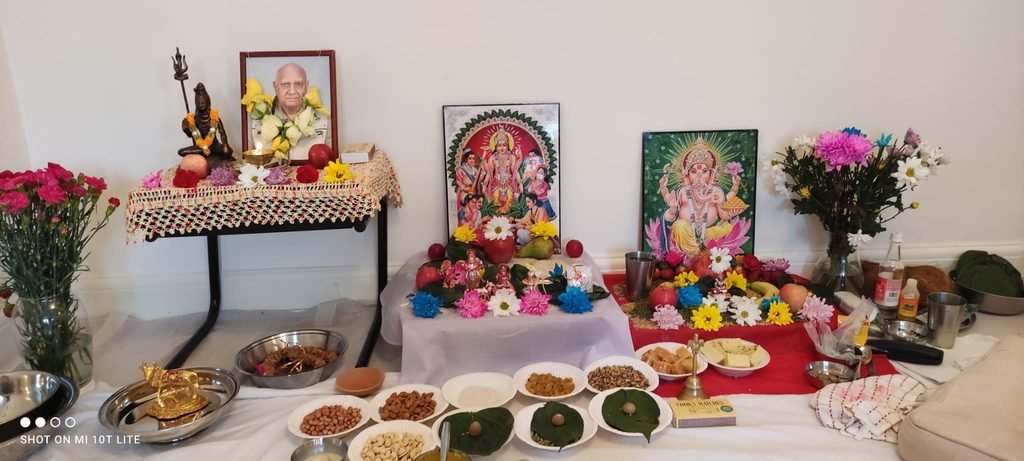
The Hindu mourning period is the time during which the immediate family observes religious and social customs following a death.
The length and strictness of mourning can differ.
Some families follow a traditional 13-day mourning period, while others follow different arrangements based on their community or circumstances.
During the Hindu mourning period, family members may:
- Avoid celebrations
- Follow dietary restrictions
- Perform daily prayers
- Perform offerings
- Avoid certain religious activities
- Gather for remembrance
- Follow purification rituals
- Attend the 10th, 11th, 12th or 13th-day ceremonies
The Hindu mourning period is intended to provide time for remembrance, reflection and spiritual observance.
Hindu Family Rituals After Death
Hindu family rituals after death can continue beyond the cremation itself.
Depending on family tradition, these may include:
Asthi Visarjan
Immersion of ashes according to religious tradition and local regulations.
Pind Daan
Offerings made as part of ancestral and death-related ceremonies.
Shraddha
Ritual remembrance and offerings performed for ancestors.
Annual Death Anniversary
Many Hindu families observe the death anniversary with prayers and offerings.
Pitru Paksha
Some families perform additional ancestral rituals during Pitru Paksha.
These Hindu family rituals after death can form an ongoing connection between family remembrance and Hindu ancestral traditions.
Hindu Funeral Rites and Regional Traditions
It is important to understand that Hindu funeral rites are not identical throughout India or among Hindu communities around the world.
Gujarati families may have customs that differ from Punjabi families. South Indian traditions may differ from North Indian traditions, while Vaishnav, Shaiva and other traditions may have their own practices.
Therefore, searching for a single standard list of Hindu funeral rituals can sometimes create confusion.
The best approach is to identify the family’s tradition first.
A knowledgeable Hindu priest can then provide a ceremony based on the family’s customs.
This is particularly useful for families arranging a Hindu funeral UK because some traditional practices may need to be adapted to UK crematorium regulations.
Hindu Funeral UK: Arranging a Hindu Funeral in Britain
Arranging a Hindu funeral UK can be emotionally difficult, particularly when family members are unfamiliar with British funeral procedures.
Our Hindu Funeral UK Guide provides additional information for families who need help understanding UK funeral arrangements, Hindu rituals, prayers, costs and booking a priest.
A typical arrangement may involve:
- Contacting the relevant authorities or medical professionals
- Choosing a funeral director
- Selecting a crematorium
- Contacting a Hindu priest in UK
- Confirming the date and time
- Discussing the required Hindu ceremony
- Preparing religious items
- Arranging transportation
- Completing cremation
- Organising subsequent ceremonies
Families should communicate with the funeral director and priest as early as possible.
A Hindu priest London can be especially helpful for families in London and surrounding areas who require traditional Hindu ceremonies while working within UK funeral arrangements.
Hindu Death Ceremony UK: What Families Should Know
A Hindu death ceremony UK may take place at a crematorium, funeral home, family residence, temple or another suitable location, depending on the ceremony.
The priest should coordinate the religious requirements with the practical restrictions of the venue.
Families should discuss:
- Crematorium timings
- Duration of the ceremony
- Permitted religious materials
- Fire and safety requirements
- Number of attendees
- Ash collection arrangements
- Follow-up ceremonies
- Home prayers
- 10th, 11th, 12th and 13th-day ceremonies
Planning ahead can make the process less stressful for relatives.
Families can also explore our Hindu Priest UK services for information about available priest services and ceremonies.
Hindu Funeral Cost UK: How Much Does a Hindu Funeral Cost?
The Hindu funeral cost UK can vary significantly because a Hindu funeral involves both standard funeral expenses and, depending on the family’s wishes, religious ceremony costs.
The total Hindu funeral cost UK may depend on:
- Funeral director fees
- Crematorium fees
- Transportation
- Coffin or alternative arrangements
- Priest fees
- Religious materials
- Flowers
- Ceremony location
- Additional prayers
- 13th-day ceremony
- Ash immersion arrangements
- Family requirements
There is therefore no single fixed Hindu funeral cost UK.
Families should request a clear quotation from the funeral director and separately discuss priest and ceremony costs with the Hindu priest.
Our Hindu Funeral UK Guide also discusses the main factors that can affect Hindu funeral costs in Britain.
When comparing the Hindu funeral cost UK, it is important to ask what is included in the quotation.
How a Hindu Priest Helps With Death Rituals
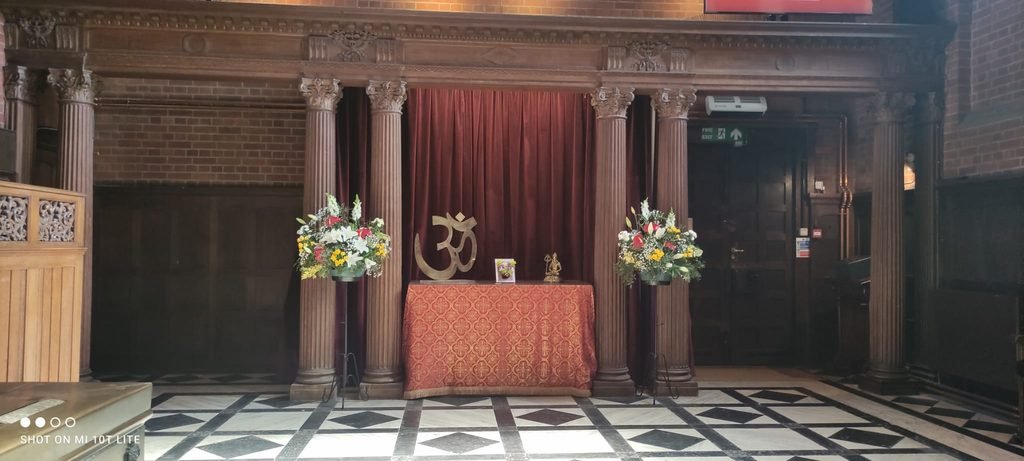
A Hindu priest can provide both religious guidance and practical support during a difficult period.
The priest may:
- Explain Hindu death rituals
- Conduct the Hindu funeral
- Recite Hindu funeral mantras
- Lead Hindu funeral prayers
- Guide the principal mourner
- Conduct cremation rites
- Explain Hindu rituals after cremation
- Perform 10th-day ceremonies
- Perform 11th and 12th-day ceremonies
- Conduct the Hindu 13th day ceremony
- Explain the Hindu mourning period
- Advise on Shraddha and Pind Daan
For families who are unfamiliar with the ceremonies, having a priest present can provide reassurance and clarity.
Families can learn more about available Hindu priest services before making arrangements.
Finding a Hindu Priest for Death Rituals
Families searching for a Hindu priest for death rituals should consider experience, tradition, location and availability.
Useful questions to ask include:
- Does the priest conduct Hindu funeral ceremonies?
- Does the priest perform cremation rites?
- Can the priest conduct the 13th-day ceremony?
- Does the priest travel to different UK locations?
- Can the priest perform ceremonies according to the family’s Gujarati, North Indian, South Indian or other tradition?
- Does the priest explain the rituals to family members?
- Can the priest coordinate with UK crematorium timings?
- Are follow-up ceremonies available?
Families in London may specifically search for a Hindu priest London, while families elsewhere may search for a Hindu priest in UK.
Choosing the right priest can make the ceremony more organised and meaningful.
Indian Priests for Hindu Funeral Ceremonies in the UK
Many families search for Indian priests when arranging traditional ceremonies in Britain.
An experienced Hindu priest should understand that Hindu communities have different traditions and should be able to discuss the family’s requirements before the ceremony.
When choosing Indian priests for a UK funeral, families should focus on experience with funeral rites rather than simply choosing a priest based on location.
The priest should be comfortable conducting Hindu funeral rites, explaining the meaning of the rituals and adapting traditional ceremonies to the UK environment.
For families looking for a priest who can provide funeral and other Hindu ceremony services, our Hindu Priest UK services page provides further information.
Hindu Funeral Mantras Commonly Used During Funeral Ceremonies
Hindu funeral mantras are traditionally used to create a sacred atmosphere and express prayers for peace and spiritual well-being.
The priest may use appropriate Vedic or devotional mantras according to the family’s tradition.
For a more detailed explanation of funeral chanting, see our Hindu funeral rituals and mantras guide.
Common devotional chanting may include:
Om Namah Shivaya
A sacred Shaiva mantra dedicated to Lord Shiva.
Maha Mrityunjaya Mantra
A widely known Vedic mantra associated with healing, protection and spiritual liberation.
Ram Naam
Many Hindu traditions use the name of Lord Rama during the final journey and funeral process.
Om Shanti
A prayer for peace.
The use of particular Hindu funeral mantras should be determined by the priest and family tradition.
Hindu Funeral Prayers for Family and Loved Ones
Hindu funeral prayers provide an opportunity for family members to remember the deceased and pray for peace.
Families may recite verses from the Bhagavad Gita or other scriptures.
The priest may also lead prayers at the crematorium and during subsequent ceremonies.
The emotional importance of Hindu funeral prayers should not be underestimated. For many families, prayer provides comfort and creates a peaceful environment during one of life’s most difficult moments.
Families can also continue prayers at home after the Hindu funeral.
You can read more about Hindu funeral prayers and mantras and how they are incorporated into traditional funeral ceremonies.
Hindu Funeral Rituals After Death: What Happens After the 13th Day?
Although the traditional 13-day period is significant, Hindu death-related observances do not necessarily end permanently on day 13.
Depending on tradition, families may later perform:
- Shraddha
- Pind Daan
- Annual death anniversary ceremonies
- Pitru Paksha rituals
- Temple prayers
- Charitable activities in memory of the deceased
The 13th day may represent the completion of the immediate mourning cycle, while remembrance continues throughout the person’s life.
This demonstrates that Hindu funeral rituals after death are not only about the funeral itself but also about remembrance and family responsibility.
Frequently Asked Questions About Hindu Death Rituals
How long are Hindu funeral rituals?
The duration varies by tradition. Some families observe ceremonies for 10, 11, 12 or 13 days. The traditional Hindu funeral rites 13 days period is widely followed by many communities, but it is not universal.
What happens during the Hindu 13th day ceremony?
The Hindu 13th day ceremony may include prayers, offerings, puja, havan, remembrance and other rituals marking the conclusion of the principal mourning period. The exact ceremony depends on family tradition.
What are Hindu rituals after death?
Hindu rituals after death include funeral preparations, cremation rites, prayers, offerings, mourning observances and later ceremonies such as Shraddha and Pind Daan.
Are Hindu funerals always cremations?
Cremation is traditional for many Hindus, but practices can vary depending on age, circumstances, sect and family tradition.
What are Hindu funeral mantras?
Hindu funeral mantras are sacred chants recited during funeral and related ceremonies. The specific mantras depend on the family’s tradition and the priest.
How much does a Hindu funeral cost in the UK?
The Hindu funeral cost UK depends on funeral director fees, crematorium costs, transportation, priest fees and additional ceremonies. There is no universal fixed price.
For more information, read our Hindu Funeral UK Guide.
Can a Hindu priest conduct a funeral in the UK?
Yes. A qualified Hindu priest in UK can conduct traditional Hindu funeral ceremonies, subject to the rules of the relevant crematorium or venue.
Can a Hindu priest London perform funeral ceremonies outside London?
Many priests travel for ceremonies, although availability and travel arrangements should be confirmed directly.
Why are 13 days important in Hindu funeral traditions?
The 13-day period is traditionally associated with mourning and a sequence of ceremonies for many Hindu communities. However, practices differ between families and traditions.
What happens to the ashes after a Hindu funeral?
Many families perform asthi visarjan, the immersion of ashes according to Hindu tradition. The location and timing depend on family custom and applicable local rules.
Why Choose an Experienced Hindu Priest for Funeral Rituals?
A funeral is a deeply emotional occasion, and families should not have to worry about remembering every religious procedure themselves.
An experienced Hindu priest can guide the family before, during and after the ceremony.
For families arranging a Hindu funeral UK, professional guidance can help combine traditional Hindu practices with the practical requirements of British crematoriums.
Whether you need a Hindu death ceremony, cremation prayers, Hindu funeral prayers, Hindu funeral mantras, 13th-day rituals or other Hindu funeral rites, choosing an experienced priest can make the process easier for the family.
Families looking for Indian priests, a Hindu priest London or a Hindu priest in UK should discuss their family tradition and requirements before booking.
For information about available priest services, visit our Hindu Priest UK Services page.
Book a Hindu Priest for Funeral and Death Rituals in the UK
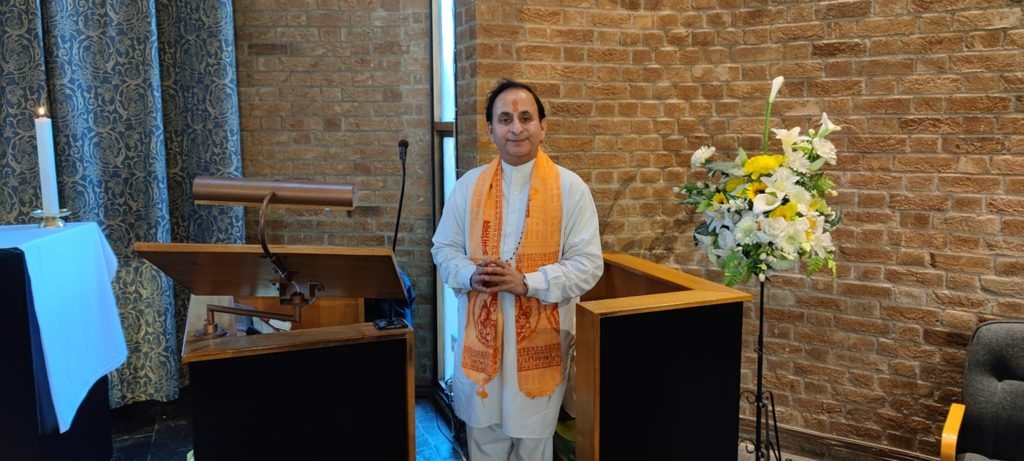
If your family has recently experienced a bereavement and needs assistance with a Hindu funeral, it is important to arrange the appropriate religious ceremonies as soon as practical.
A priest can guide the family through:
- Hindu funeral rituals
- Hindu death ceremony
- Cremation prayers
- Hindu funeral mantras
- Hindu funeral prayers
- Rituals after cremation
- 10th-day ceremonies
- 11th-day ceremonies
- 12th-day ceremonies
- Hindu 13th day ceremony
- Shraddha
- Pind Daan
- Other family-specific Hindu rituals
For families searching for a Hindu priest for death rituals, professional guidance can provide clarity during a very difficult time.
If you are arranging a Hindu funeral UK, discuss your family’s tradition, location and required ceremonies with the priest in advance.
You can learn more about Hindu Priest Ketul Joshi’s UK priest services and funeral-related support before booking.
Final Thoughts
Hindu death rituals after death provide families with a traditional framework for prayer, remembrance, mourning and spiritual observance.
From the first Hindu funeral and cremation through the subsequent Hindu funeral rituals after death, the 10th, 11th and 12th-day ceremonies and the Hindu 13th day ceremony, every stage can have religious and emotional significance.
However, Hinduism encompasses many traditions, and the exact Hindu funeral rites, Hindu funeral mantras, Hindu funeral prayers and Hindu rituals after cremation can differ between families.
For families in Britain, an experienced Hindu priest in UK can help ensure that the ceremony is performed respectfully while taking UK practical requirements into account.
If you need a Hindu priest London, an Indian priest for funeral rites, or a Hindu priest for death rituals elsewhere in the UK, it is advisable to discuss your family’s requirements with the priest before making arrangements.
For further information, visit the Hindu Funeral UK Guide or explore the available Hindu Priest UK Services.