Hindu death rituals 1 year

Hindu death rituals 1 year
Here we have shared some details of Hindu death rituals for 1 year.
The Shraddha ceremony in Hinduism Hindu death rituals 1 year is often performed annually, especially during the Pitru Paksha period, to honor and remember ancestors. After the first year of a person’s passing, the family may continue to observe the Shraddha ceremony Hindu death rituals 1 year on the death anniversary or during the specific period considered auspicious for ancestral rites.
Hindus vary across different regions and communities, but many Hindus observe certain practices for the first anniversary of a loved one’s death. This ceremony is known as the “Shraddha” or “Shraadh,” and it is performed to honor and remember the deceased person’s soul.
Here are some common elements of Hindu death rituals 1 year observed around the first anniversary:
Shraddha Ceremony:
The main ritual involves performing the Shraddha ceremony where family members gather to offer prayers and food to the departed soul. This ceremony is usually conducted by a Hindu priest for the funeral, and it includes the recitation of sacred texts, mantras, and offerings of food (Pinda) to the deceased. According to Hindu Funeral Uk In each of the Hindu funeral rituals, Hindu funeral rites 13 days, the soul is believed to be moving inch by inch toward the journey to the Paramatma. Extreme care should be given by all mourners to avoid touching the body, an act of blatant disrespect and impurity.
Tarpan and Pinda Daan:
Continuing the practice of Tarpan (offering water and sesame seeds) and Pinda Daan (offering rice balls) is common during the annual ceremonies. These rituals are believed to provide spiritual nourishment to the deceased and ensure their well-being in the afterlife.
Family members perform Tarpan, which involves making offerings of water and sesame seeds to ancestors. It is believed that this helps satisfy the lingering desires of the departed soul and brings peace to their journey in the afterlife.
Charity and Donations Hindu death rituals 1 year:
Making charitable donations, known as “dana,” is considered auspicious during the Shraddha period. Donating food, clothing, or other essentials to the needy is believed to earn merit for the departed soul.
Making charitable donations and engaging in acts of kindness in memory of the deceased is considered a virtuous practice. This can include contributing to educational institutions, hospitals, or other charitable causes.
Pilgrimages:
Some families may choose to undertake pilgrimages to holy places or specific temples to pray for the peace of the departed soul.
Feeding Brahmins (Hindu priest) Hindu death rituals 1 year:
In some traditions, it is customary to feed Brahmins or Hindu priests during the Shraddha ceremony. This is done as a way of seeking blessings for the departed soul.
Offering meals to Brahmins or the poor during the Hindu death rituals 1 year annual ceremony is a way of seeking blessings for the departed soul and earning merit for the family.
Visiting Holy Places:
Family members may choose to visit pilgrimage sites, temples, or other sacred places to pray for the well-being of the departed soul and seek spiritual solace.
Observing Fasting:
Some family members may choose to observe a fast on the anniversary of the death as a mark of respect and to purify themselves spiritually.
Recitation of Scriptures:
Reading or reciting religious scriptures, such as the Bhagavad Gita or other sacred texts, is considered a way to honor the departed soul and gain spiritual merit.
Continuing the tradition of reading or reciting religious scriptures is believed to bring spiritual solace to both the living and the departed soul.
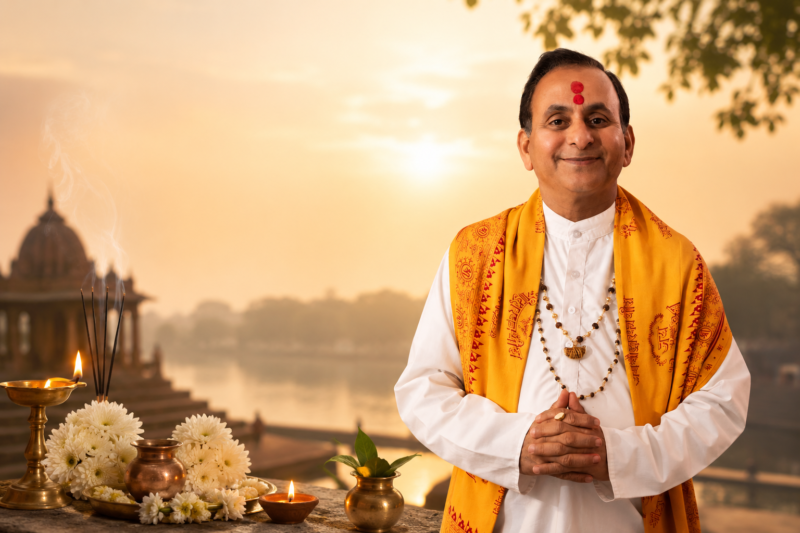
If you are looking for a Hindu priest to read Hindu scriptures then contact Hindu priest ketul Joshi UK: +44 079 0373 5365
Memorial Service Hindu death rituals 1 year:
Some families organize a memorial service or a gathering of friends and relatives to remember the deceased person, share stories and offer condolences.
Organizing memorial services, gatherings, or Satsangs (spiritual discourses), Bhajan to remember the departed and share anecdotes is a common practice.
It’s important to note that the specific customs and rituals can vary widely, and families may choose to adopt these practices based on their beliefs and traditions. Additionally, different sects within Hinduism may have unique rituals associated with death anniversaries. These rituals aim to show ongoing respect for the departed soul, seek blessings for the family, and foster a sense of continuity in remembering and honoring the deceased loved one.
Understanding Hindu Funeral Rites and Funeral Services in the UK
The period following a death is an important time for Hindu families, bringing together spiritual remembrance, family responsibilities and traditional customs. Hindu funeral rites 13 days are an important part of this process, while remembrance ceremonies may continue throughout the first year and beyond. The exact practices can differ according to family tradition, region, sampradaya and personal beliefs.
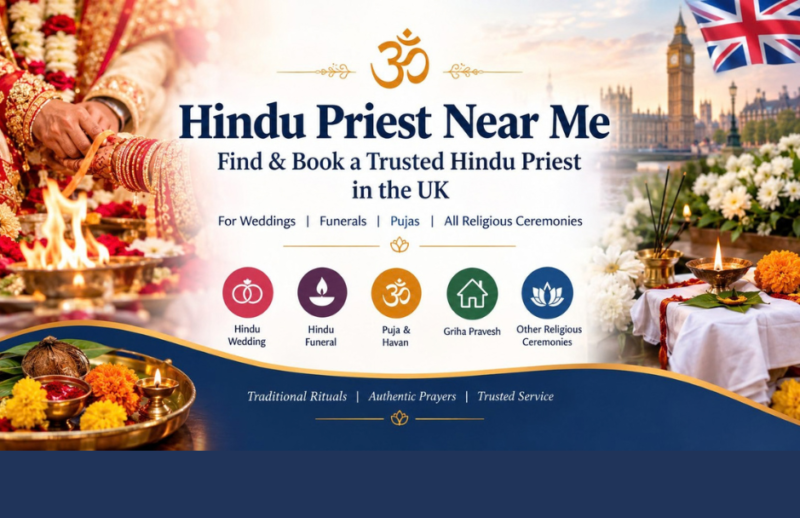
For families arranging a Hindu funeral UK, understanding the sequence of ceremonies can make a difficult period easier to manage. Hindu funeral rituals may include prayers, sacred readings, offerings and ceremonies performed with the guidance of experienced Indian priests. The purpose is to honour the deceased, support the family and follow the customs that are meaningful to them.
The Hindu funeral itself is usually followed by additional observances. During the period of Hindu funeral rites 13 days, families may observe specific customs relating to mourning and spiritual remembrance. Hindu funeral prayers and Hindu funeral mantras may be recited during these ceremonies according to the family’s tradition.
For families arranging a Hindu funeral UK, practical planning is also important. The overall Hindu funeral cost can vary depending on the ceremonies required, priest services, travel, venue arrangements and additional religious requirements. Therefore, the Hindu funeral cost UK should be discussed clearly with the priest and other service providers before arrangements are finalised.
A qualified priest can explain which Hindu funeral rituals are appropriate and help the family understand the significance of the ceremonies. Indian priests with experience in UK-based ceremonies can also help families coordinate traditional practices within the practical requirements of local funeral arrangements.
The first anniversary can provide another opportunity for remembrance. Families may choose to arrange prayers, Shraddha or other traditional observances according to their customs. These ceremonies can be especially meaningful for relatives who wish to remember the deceased with devotion and respect.
When arranging a Hindu funeral, families should not feel pressured to follow a single fixed procedure. Hindu traditions contain considerable diversity, and Hindu funeral rites 13 days, Hindu funeral rituals, Hindu funeral prayers and Hindu funeral mantras may differ between communities.
If you are arranging a Hindu funeral UK and need guidance about ceremonies, Hindu funeral cost UK, Hindu funeral cost, or the role of Indian priests, speaking with an experienced Hindu priest can help you make informed arrangements while respecting your family’s traditions.